Advanced Technical Ceramics, Precision Alumina, Silicon Carbide, Crucible Parts
 Technology Co., Ltd.(Luoyang) Technology Co., Ltd.科技品牌标志.webp)


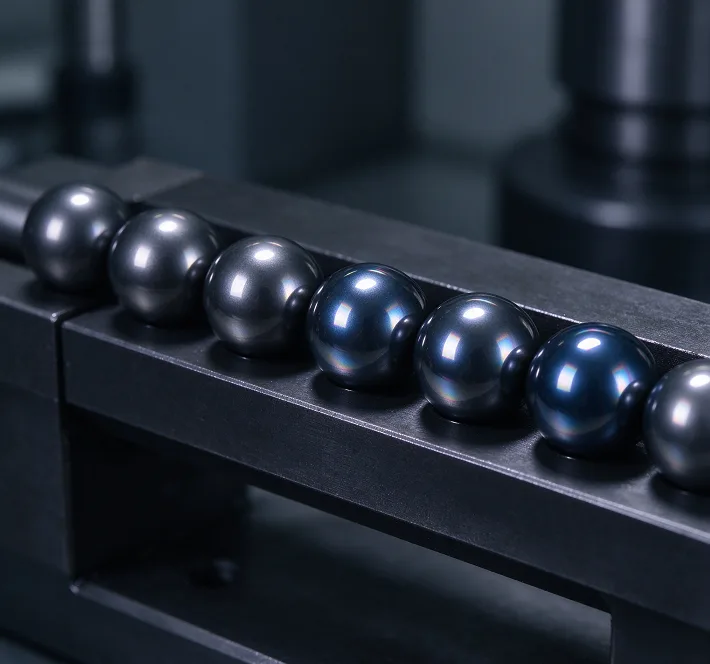
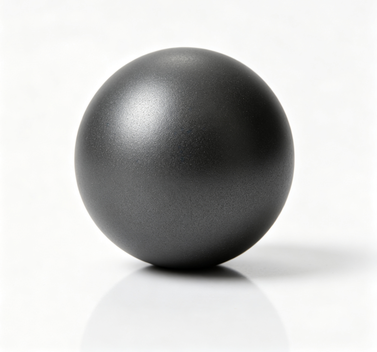
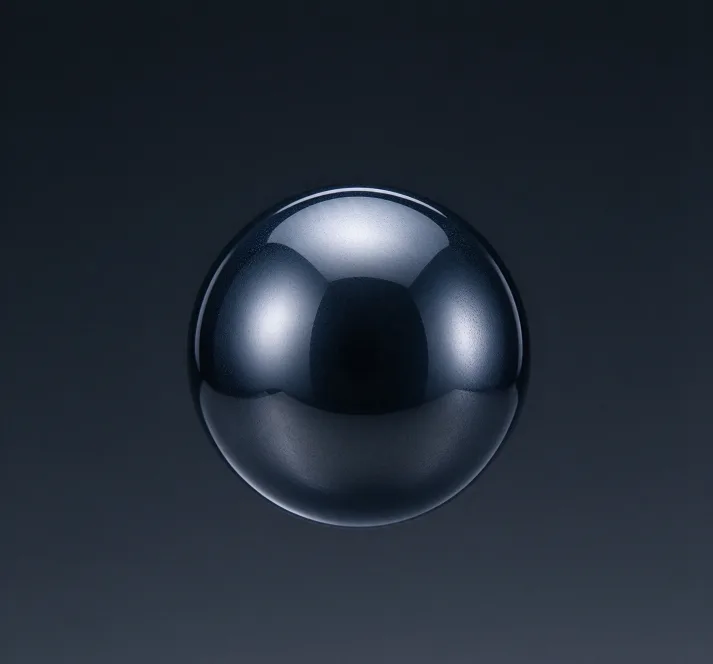
Silicon Carbide Precision Ball SiC Ceramic Ball

PRODUCT PARAMETERS
Description
Silicon Carbide Precision Ball is a high-performance ceramic product manufactured from advanced silicon carbide materials. It features high density, excellent hardness, superior thermal conductivity, and outstanding high-temperature stability. With excellent wear resistance, corrosion resistance, and thermal shock resistance, SiC precision balls maintain stable performance under harsh industrial environments. From an engineering perspective, the performance of a SiC precision ball is closely related to its density, hardness, dimensional accuracy, surface finish, open porosity, and thermal conductivity. High hardness helps reduce material loss caused by continuous friction and impact, while the low thermal expansion and high thermal conductivity of silicon carbide help minimize localized thermal stress during rapid temperature changes. For applications involving repeated heating, cooling, abrasive contact, or corrosive media, these characteristics are important for maintaining dimensional stability and extending component service life.
For precision applications, particle size distribution and dimensional tolerance should also be considered rather than focusing only on nominal ball diameter. A controlled size range and consistent sphericity can help improve contact uniformity, reduce abnormal wear, and maintain predictable mechanical behavior during operation. This makes SiC precision balls particularly suitable when stable performance and repeatable process conditions are more important than simply achieving basic wear resistance.
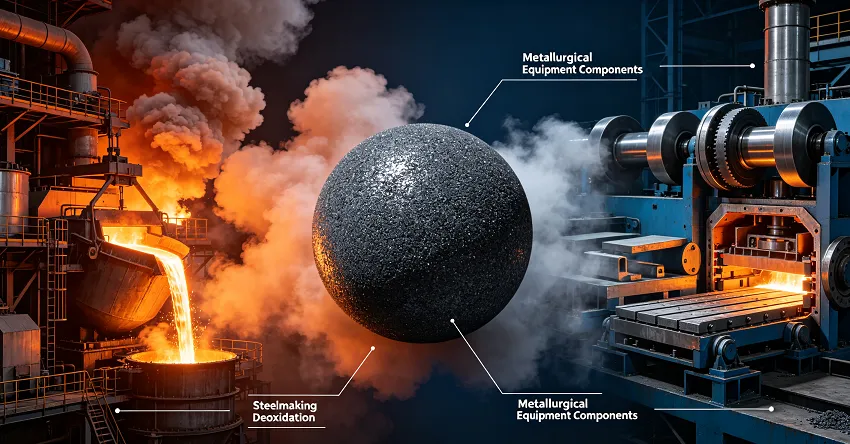
Silicon Carbide Precision Ball is widely used in steel deoxidation processes and metallurgical equipment components. Its excellent physical and chemical properties help improve process efficiency, enhance equipment durability, and provide reliable solutions for high-temperature industrial applications. The product can also be customized according to specific application requirements, including dimensions and performance specifications. In metallurgical environments, material selection must account for more than operating temperature. Mechanical loading, oxidation conditions, molten-metal contact, abrasive particles, thermal cycling, and chemical exposure can all influence the service life of ceramic components. The high-temperature stability and chemical resistance of silicon carbide allow precision balls to maintain their structural integrity under demanding process conditions, while their hardness and wear resistance help reduce dimensional changes caused by long-term mechanical contact.
For procurement and process engineers, customization can be specified around the actual operating conditions rather than only the product dimensions. Typical parameters include ball diameter, diameter tolerance, density, hardness, thermal conductivity, porosity, surface roughness, purity, and allowable operating temperature. Providing these requirements together with the medium, temperature range, loading conditions, and expected service life allows the ceramic specification to be matched more precisely to the application, reducing the risk of premature wear or thermal damage during production.
Technical Specifications
| Property | Specification |
|---|---|
| Material | Silicon Carbide (SiC) Ceramic |
| Density | 3.10-3.20 g/cm³ |
| Rockwell Hardness | HRA≥90 |
| Thermal Conductivity | 80-150 W/(m·K) |
| Maximum Operating Temperature | >1600℃ |
| Wear Resistance | Excellent |
| Thermal Shock Resistance | Excellent |
| Corrosion Resistance | Excellent |
| Application | Steel deoxidation and metallurgical equipment |
For engineering selection, the specifications above should be evaluated as a complete material-performance system rather than as isolated values. The density of 3.10–3.20 g/cm³ indicates a relatively dense SiC ceramic structure, while the Rockwell hardness of HRA≥90 provides strong resistance to abrasive contact and surface damage. For a Silicon Carbide Precision Ball, these properties are particularly important when continuous mechanical interaction, particle impact, or abrasive conditions are involved. The thermal conductivity of 80–150 W/(m·K) also supports efficient heat transfer through the ceramic body, helping reduce localized temperature gradients during rapid heating and cooling. Together with excellent thermal shock and corrosion resistance, these characteristics contribute to stable performance under demanding industrial conditions.
The maximum operating temperature above 1600°C should be evaluated together with the actual atmosphere and service conditions. For a Silicon Carbide Precision Ball, factors such as temperature fluctuations, heating and cooling rates, mechanical loading, abrasive particles, surrounding media, and exposure duration can directly influence service life. In high-temperature metallurgical applications, dimensional accuracy is also important because variations in diameter, sphericity, surface roughness, or internal porosity may affect contact behavior and wear distribution. Engineers should therefore consider diameter tolerance, surface finish, density, hardness, operating temperature, and chemical environment when selecting the appropriate specification.
From a procurement perspective, a Silicon Carbide Precision Ball should not be selected solely according to hardness or maximum temperature. A complete technical specification should include ball diameter and tolerance, density, hardness, thermal conductivity, surface condition, dimensional consistency, operating environment, and expected service life. For metallurgical equipment, additional information such as process temperature, contact conditions, thermal cycling, and mechanical load can help determine the appropriate SiC specification. This application-based approach allows the material to be matched more accurately with actual operating requirements and can help reduce premature wear, dimensional instability, and unexpected component replacement.
For customized Silicon Carbide Precision Ball products, dimensions, tolerances, surface finish, density, hardness, and other performance parameters can be adjusted according to equipment and process requirements. For engineers evaluating different ceramic materials, the key consideration is the overall balance between wear resistance, thermal behavior, chemical stability, dimensional precision, and expected service life.
Product Advantages
1. Excellent High Temperature Stability
Silicon Carbide Precision Ball can withstand extremely high operating temperatures above 1600°C while maintaining its structural integrity and mechanical performance. Silicon carbide has strong atomic bonding and a low coefficient of thermal expansion, which helps reduce dimensional changes and thermal stress during high-temperature operation. This is particularly important in metallurgical equipment where components may experience repeated heating and cooling cycles. Compared with conventional materials that may soften, deform, or experience accelerated degradation at elevated temperatures, SiC maintains reliable performance under demanding thermal conditions, making it suitable for continuous high-temperature industrial processes.
2. Outstanding Wear Resistance
With a Rockwell hardness of HRA≥90, Silicon Carbide Precision Ball provides excellent resistance to abrasion, friction, and mechanical surface damage. Its high hardness helps maintain the ball’s surface integrity when exposed to repeated contact, particle impact, or abrasive operating conditions. This property is especially valuable in applications where dimensional changes caused by long-term wear could affect equipment performance or process consistency. By reducing surface degradation and material loss, SiC precision balls can support longer service intervals and help reduce the frequency of component replacement and maintenance.
3. Superior Thermal Conductivity
The thermal conductivity of 80–150 W/(m·K) enables Silicon Carbide Precision Ball to transfer heat efficiently through the ceramic body. Effective heat dissipation can help reduce localized temperature differences and thermal gradients, particularly when the component is exposed to rapid temperature changes or uneven heating. This thermal performance works together with SiC’s low thermal expansion and excellent thermal shock resistance, helping reduce the risk of thermal cracking during repeated thermal cycling. For high-temperature industrial processes, these characteristics contribute to more stable operating conditions and more predictable component performance.
4. Excellent Chemical Corrosion Resistance
Silicon carbide provides strong resistance to oxidation and chemical corrosion, allowing Silicon Carbide Precision Ball to maintain its physical and mechanical properties when exposed to demanding industrial environments. This resistance is important in metallurgical processes where components may encounter reactive gases, corrosive media, high-temperature atmospheres, or abrasive process materials. The chemical stability of SiC helps limit surface degradation and material loss during long-term exposure. When selecting a ceramic component for a specific process, engineers should still evaluate the actual chemical composition, temperature, atmosphere, and exposure time to ensure the material is compatible with the operating environment.
5. High Mechanical Strength and Structural Stability
The dense structure of SiC Precision Ball provides excellent mechanical strength, hardness, and dimensional stability under demanding operating conditions. These properties allow the ball to withstand mechanical pressure, repeated contact, and impact without significant deformation. For precision applications, maintaining a consistent spherical geometry is particularly important because variations in diameter or surface condition can influence contact stress and wear distribution. The combination of high hardness, structural stability, and low thermal expansion makes SiC suitable for applications where both mechanical durability and dimensional consistency are required over extended operating periods.
6. Reliable Performance in Metallurgical Applications
Silicon Carbide Precision Ball is designed for high-temperature industrial processes where wear resistance, thermal stability, and chemical durability are required simultaneously. In steel and metallurgical applications, the component may be exposed to high temperatures, mechanical loading, thermal cycling, and chemically aggressive environments at the same time. The combination of SiC’s high hardness, thermal conductivity, corrosion resistance, and high-temperature stability allows the material to perform reliably under these combined conditions. For procurement and process engineers, specifications such as ball diameter, dimensional tolerance, density, hardness, surface finish, thermal conductivity, and operating temperature can be customized according to the equipment design and specific process requirements.
Typical Applications
1. Steel Deoxidation
Silicon Carbide Precision Balls can be used in steelmaking and metallurgical processes where controlled silicon carbide addition and high-temperature stability are required. SiC can participate in deoxidation and alloy-related process control under appropriate operating conditions, while its thermal stability allows it to remain functional in high-temperature environments. For process engineers, factors such as ball size, purity, reaction temperature, addition rate, and contact conditions can influence reaction efficiency and material utilization. Selecting a suitable specification helps improve process consistency and supports stable steel quality during continuous production.
2. Metallurgical Equipment Components
SiC Precision Balls are suitable for metallurgical equipment components exposed to high temperatures, mechanical contact, abrasion, and chemically aggressive environments. The high hardness of silicon carbide helps resist surface wear, while its corrosion resistance and thermal stability support long-term operation under demanding conditions. In equipment where dimensional stability is important, the high rigidity and low thermal expansion of SiC can also help maintain consistent component geometry. Engineers can select appropriate dimensions, tolerances, surface finish, and material properties according to the actual equipment structure and operating conditions.
3. High Temperature Industrial Furnaces
Due to its excellent thermal stability and thermal shock resistance, Silicon Carbide Precision Balls can be applied in selected high-temperature furnace and thermal-processing environments. Silicon carbide maintains its mechanical properties at elevated temperatures and can tolerate repeated heating and cooling better than many conventional materials. Its relatively high thermal conductivity also helps promote more uniform heat transfer within the component. For furnace applications, engineers should consider operating temperature, atmosphere, heating and cooling rates, thermal cycling frequency, mechanical loading, and potential chemical exposure when determining whether a specific SiC grade and dimensional specification are appropriate.
4. Wear-Resistant Industrial Components
Silicon Carbide Precision Balls are well suited for industrial components where high hardness, abrasion resistance, and long-term dimensional stability are required. With a Rockwell hardness of HRA≥90, SiC can withstand repeated friction and contact with abrasive materials while maintaining a relatively stable surface condition. This makes the material useful in applications where excessive wear could increase clearance, affect contact accuracy, or lead to frequent component replacement. Depending on the equipment design, parameters such as ball diameter, dimensional tolerance, surface roughness, density, and hardness can be specified to achieve more consistent operating performance.
5. Advanced Ceramic Material Applications
SiC Precision Balls are also used in advanced ceramic applications that require a combination of mechanical strength, hardness, thermal conductivity, chemical resistance, and high-temperature stability. Unlike applications that depend on only one material property, these environments often require the ceramic component to maintain several performance characteristics simultaneously under continuous operation. SiC offers a useful balance of thermal and mechanical properties, making it suitable for demanding industrial systems where conventional materials may experience accelerated wear or thermal degradation. For customized applications, engineers can define dimensions, tolerances, surface quality, density, thermal performance, and other technical requirements according to the specific process and equipment conditions.

Company Profile
Jenson(Luoyang) Technology Co., Ltd. specializes in the research, development, production, and supply of advanced materials and industrial ceramic products. The company provides high-performance ceramic components including silicon carbide products, boron nitride materials, aluminum nitride ceramics, alumina ceramics, and other advanced materials for global industrial applications. With professional manufacturing technology and customized service capabilities, Jenson(Luoyang) Technology Co., Ltd.supports customers with reliable material solutions and precision ceramic products.
Payment Terms: T/T, PayPal, Credit Card, Western Union, etc.
Shipment Terms: By air, by sea, by express, or according to customer request.
Storage Conditions: Store Silicon Carbide Precision Balls in a dry, clean, and ventilated environment. Avoid moisture, contamination, and strong mechanical impact during storage to maintain product quality and performance.
FAQ
1. How should engineers select the diameter of a Silicon Carbide Precision Ball for a specific application?
The appropriate diameter of a Silicon Carbide Precision Ball depends on the equipment structure, contact geometry, mechanical load, operating clearance, and required dimensional accuracy. A larger ball can generally provide a larger contact area and greater load-bearing capability, while a smaller ball may be more suitable for compact assemblies or applications requiring tighter spacing. Engineers should also consider diameter tolerance and sphericity because dimensional variation can change contact stress and influence wear distribution. For demanding applications, the ball diameter should therefore be determined together with the allowable clearance, operating temperature, contact pressure, and expected service life rather than selected only according to nominal size.
The relationship between ball diameter and actual contact conditions is particularly important in precision equipment. If the diameter is too large, excessive contact pressure or interference may occur; if it is too small, insufficient contact or increased localized loading may affect operating stability. Engineers should therefore provide drawings, dimensional requirements, and loading conditions when requesting customized SiC balls. This allows the supplier to evaluate the geometry and manufacturing tolerance more accurately.
2. What SiC properties are most important for high-temperature metallurgical applications?
For high-temperature metallurgical applications, engineers should evaluate more than the maximum operating temperature. The performance of a Silicon Carbide Precision Ball is influenced by hardness, density, thermal conductivity, thermal expansion, thermal shock resistance, chemical stability, and dimensional stability. High hardness helps resist abrasive wear, while good thermal conductivity promotes heat transfer and helps reduce localized temperature gradients. Low thermal expansion and excellent thermal shock resistance are also important when components experience repeated heating and cooling. In addition, the surrounding atmosphere, corrosive media, mechanical loading, and exposure time should be considered to determine whether the selected SiC specification is appropriate for long-term operation.
In practical equipment design, the combined effect of temperature and mechanical stress is often more important than a single material parameter. Repeated thermal cycling can create internal stress, while abrasive particles or mechanical impact may accelerate surface degradation. Therefore, engineers should evaluate the complete operating profile, including maximum and minimum temperatures, heating rate, cooling rate, atmosphere, and mechanical contact conditions before finalizing the material specification.
3. How does the hardness of SiC precision balls affect their service life?
The high hardness of a Silicon Carbide Precision Ball provides strong resistance to abrasive wear, friction, and mechanical surface damage. With a Rockwell hardness of HRA≥90, the material can maintain relatively stable surface characteristics under repeated contact and demanding working conditions. This is particularly valuable when changes in ball diameter or surface condition could affect equipment accuracy or process stability. However, hardness should not be evaluated independently because excessive impact, thermal stress, internal porosity, or unsuitable surface conditions can also influence service life. Engineers should therefore consider hardness together with density, microstructure, dimensional accuracy, surface finish, loading conditions, and operating temperature.
For long-term applications, the wear mechanism should also be identified before selecting the ceramic grade. Abrasive wear, impact wear, sliding friction, and chemical-assisted degradation can place different requirements on the material. A harder material may provide excellent abrasion resistance, but the overall design must still account for impact energy and thermal stress. Evaluating the actual failure mechanism can therefore help engineers select a more suitable specification and avoid relying on hardness alone.
4. Why is thermal conductivity important when using SiC precision balls at high temperatures?
The thermal conductivity of a Silicon Carbide Precision Ball determines how efficiently heat can be transferred through the ceramic body. With a thermal conductivity of approximately 80–150 W/(m·K), SiC can help dissipate heat and reduce localized temperature differences during high-temperature operation. This becomes particularly important when the component is exposed to rapid heating, cooling, or repeated thermal cycling, where uneven temperature distribution can generate internal thermal stress. However, thermal conductivity should always be evaluated together with ball diameter, heating rate, cooling rate, surrounding atmosphere, and temperature gradients. These factors collectively determine the actual thermal stress experienced by the component.
The actual thermal behavior also depends on component geometry and installation conditions. A precision ball may experience different temperature gradients depending on its contact area, surrounding material, and heat-transfer path. Engineers should therefore avoid evaluating thermal conductivity as an isolated specification. When the application involves rapid temperature changes, providing the complete thermal cycle and equipment configuration can help determine whether the selected SiC material is suitable for reliable repeated operation.
5. What dimensional specifications should be included when purchasing SiC precision balls?
For technical procurement, specifying only the nominal diameter of a Silicon Carbide Precision Ball is usually insufficient. A complete technical requirement may include diameter, diameter tolerance, sphericity, surface roughness, density, hardness, internal porosity, material purity, and allowable surface defects. These parameters can influence contact uniformity, friction, wear rate, and dimensional stability during long-term operation. The required tolerance should be determined according to the equipment’s actual clearance and contact conditions. For precision applications, engineers should also establish inspection methods and acceptance criteria before production so that dimensional consistency and batch-to-batch quality can be properly controlled.
Surface quality is especially important when the balls are used in precision contact applications. Excessive roughness or geometric deviation may create localized stress concentrations and accelerate uneven wear. Engineers should also clarify whether inspection is required for every ball, by sampling, or according to a specific quality-control standard. Providing these requirements before production helps establish clear technical acceptance criteria and reduces potential differences between supplier specifications and actual equipment requirements.
6. Can Silicon Carbide Precision Balls be customized for specific industrial equipment?
Yes. Silicon Carbide Precision Balls can be customized according to equipment design, operating conditions, and specific performance requirements. Common customization parameters include ball diameter, dimensional tolerance, density, hardness, surface finish, thermal properties, and material purity. Engineers should provide information about operating temperature, surrounding atmosphere, mechanical load, contact medium, thermal cycling frequency, and expected service life whenever possible. This allows the material specification and dimensional design to be matched more accurately to the actual application. For high-temperature or wear-intensive equipment, application-specific customization can also help improve dimensional consistency, service reliability, and maintenance intervals.
Customization can also involve quality-control requirements rather than simply changing the physical dimensions. For example, engineers may specify acceptable dimensional deviation, surface defects, packaging conditions, inspection documentation, or batch consistency requirements. For repeat orders, maintaining the same material formulation and manufacturing parameters can be important for process stability. A detailed technical specification therefore provides a better basis for communication between the engineering and procurement teams and the ceramic manufacturer.
REQUEST A QUOTE
RELATED PRODUCTS
Silicon Carbide Nozzle SiC Ceramic Spray Nozzle
Pressureless Sintered Silicon Carbide Saggers
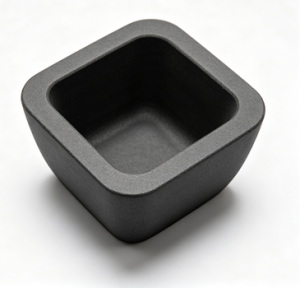
Precision-Engineered Reaction Bonded Silicon Carbide (RBSC/SiSiC) Components
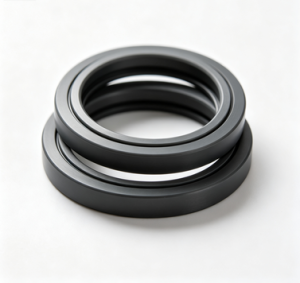
Silicon Carbide Seal Ring High Strength SiC Ceramic Mechanical Seal Ring
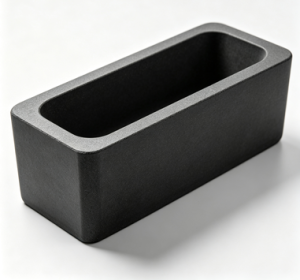
Si₃N₄-SiC Saggers Silicon Nitride Bonded Silicon Carbide Saggers