Advanced Technical Ceramics, Precision Alumina, Silicon Carbide, Crucible Parts



Alumina

99% Al₂O₃ Alumina Ceramic Plunger Piston

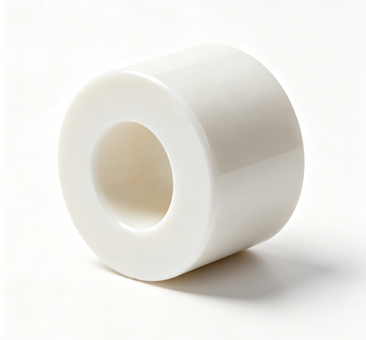
99% Al2O3 Industrial Alumina Ceramic Ring

99% Al2O3 High Purity Alumina Ceramic Ball Wear Resistant Grinding Media

High-alumina refractory bricks

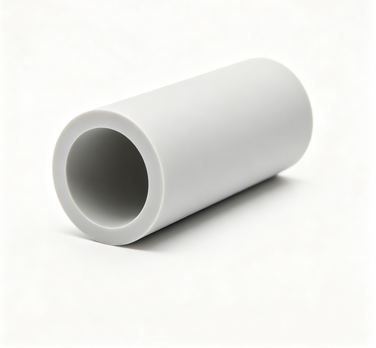
99% Alumina Ceramic Tube Al2O3 Ceramic Pipe

Wear Resistance 99% Round Al2o3 Alumina Ceramic Insulation Plate Alumina Ceramic Disc
Review of Alumina
Alumina (Al₂O₃) ceramic is one of the most widely used advanced engineering ceramics due to its excellent combination of mechanical strength, electrical insulation, chemical stability, and high-temperature performance. As a mature structural ceramic material, alumina provides a reliable solution for applications requiring long-term durability, dimensional stability, and resistance to harsh operating environments.
From a materials engineering perspective, the performance of alumina ceramic is primarily determined by purity level, grain structure, sintering process, and manufacturing precision. High-purity Al₂O₃ ceramics offer improved hardness, corrosion resistance, and electrical insulation performance, making them suitable for demanding industrial applications.
JianXuan specializes in manufacturing high-performance alumina ceramic components with controlled material properties and precise dimensional accuracy. Our ceramic products are designed for applications requiring wear resistance, thermal stability, electrical insulation, and reliable mechanical performance.
Advantages of Alumina Ceramic
1. Excellent Mechanical Strength and Hardness
Alumina ceramic has a dense polycrystalline structure, providing high hardness and excellent compressive strength. Its hardness is significantly higher than most metals, allowing it to maintain surface integrity under severe wear conditions. The strong ionic bonding structure of Al₂O₃ provides outstanding resistance against abrasion, erosion, and mechanical deformation, making it suitable for precision components and wear-resistant applications.
2. Superior Electrical Insulation Performance
Alumina is widely recognized as an excellent electrical insulating ceramic due to its high electrical resistivity and stable dielectric properties. Even under elevated temperatures, it maintains reliable insulation performance. This makes alumina ceramic an ideal material for electrical substrates, insulating components, semiconductor equipment, and high-voltage applications.
3. High Temperature Stability
Alumina ceramic maintains excellent structural stability at high temperatures due to its high melting point and low thermal expansion coefficient. It can withstand repeated thermal cycling without significant deformation. Compared with metallic materials, Al₂O₃ ceramic provides better oxidation resistance and long-term reliability in high-temperature environments.
4. Excellent Chemical Corrosion Resistance
Alumina ceramic demonstrates strong resistance to acids, alkalis, molten metals, and various chemical media. Its chemically stable crystal structure prevents degradation during long-term exposure. This property allows alumina components to be used in chemical processing, laboratory equipment, and aggressive industrial environments.
5. Excellent Dimensional Stability
Due to its low thermal expansion coefficient and high rigidity, alumina ceramic maintains precise dimensions during temperature fluctuations and mechanical loading. This characteristic is particularly important for semiconductor equipment, precision machinery, and applications requiring strict dimensional control.
Technical Specifications of Alumina Ceramic
| Property | Value |
|---|---|
| Material | Aluminum Oxide (Al₂O₃) Ceramic |
| Purity | 95%–99.99% |
| Density | 3.6–3.95 g/cm³ |
| Hardness | ≥80 HRA |
| Flexural Strength | 300–450 MPa |
| Compressive Strength | ≥2000 MPa |
| Maximum Operating Temperature | 1600–1800°C |
| Thermal Conductivity | 20–35 W/(m·K) |
| Electrical Resistivity | >10¹⁴ Ω·cm |
| Thermal Expansion Coefficient | 7–8 ×10⁻⁶/°C |
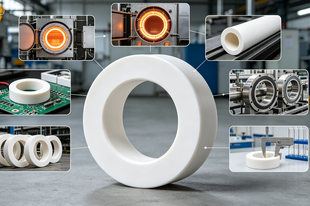
Applications of Alumina Ceramic
1. Semiconductor and Electronic Equipment
Alumina ceramic is widely used in semiconductor manufacturing equipment because of its high purity, electrical insulation, and dimensional stability. It is commonly applied in insulating components, wafer processing parts, ceramic substrates, and precision support structures where contamination control and reliability are critical.
2. Electrical Insulation Components
Due to its excellent dielectric properties, alumina ceramic is widely used for electrical insulation components in high-voltage and high-temperature environments. Its stable insulation performance allows reliable operation in electronic devices, power systems, and industrial electrical equipment.
3. Wear Resistant Industrial Components
Alumina ceramic provides exceptional abrasion resistance due to its high hardness and dense microstructure. It is commonly selected for wear plates, ceramic liners, mechanical components, and parts exposed to continuous friction or particle impact.
4. High Temperature Furnace Applications
Alumina ceramic components maintain structural stability during high-temperature processing and thermal cycling. They are widely used in furnace tubes, supports, crucibles, insulation parts, and kiln furniture for demanding thermal processes.
5. Chemical Processing Equipment
Alumina ceramic offers excellent resistance to chemical corrosion and oxidation, making it suitable for harsh processing environments. It is commonly used in pumps, seals, reaction equipment, and precision components exposed to aggressive chemicals.
Company Profile
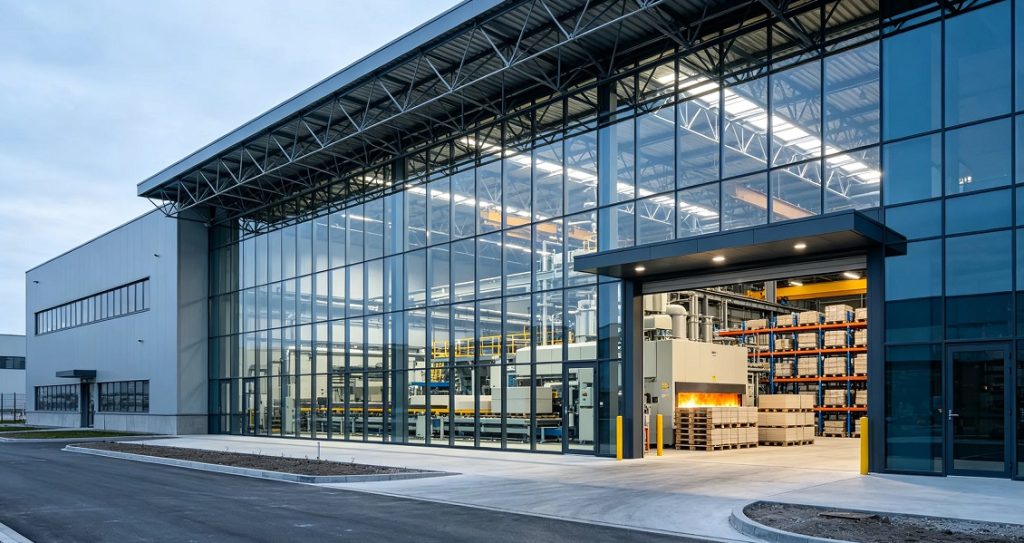
JianXuan is a professional manufacturer and supplier specializing in advanced ceramic products, including Alumina (Al₂O₃), Silicon Carbide (SiC), and Boron Nitride (BN) ceramic components. With advanced ceramic processing technology, strict quality control systems, and professional manufacturing capabilities, JianXuan provides customized ceramic solutions for global industrial applications requiring high strength, excellent thermal stability, electrical insulation, and long service life.
Payment Terms: T/T, PayPal, Credit Card, Western Union, etc.
Shipment Terms: By air, by sea, by express, or according to customer request.
Storage Conditions: Alumina ceramic products should be stored in a clean, dry, and temperature-controlled environment. Avoid moisture absorption, contamination, mechanical impact, and improper stacking to prevent surface damage before installation.
Package: Alumina ceramic products are carefully packaged according to product dimensions, precision requirements, and transportation conditions.
1. Precision Protection-Each ceramic component is protected with suitable cushioning materials to prevent cracks, chips, and surface damage during transportation.
2. Export Standard Packaging-Products can be packed with reinforced wooden cases, protective foam, and shock-resistant materials to ensure safe international shipment.
3. Customized Packaging Solutions-JianXuan provides customized packaging methods based on component size, quantity, transportation method, and customer requirements.
FAQs of Alumina Ceramic
1. What factors should be considered when selecting alumina ceramic grades?
The selection of alumina ceramic grades mainly depends on application requirements, including mechanical strength, electrical insulation, thermal performance, chemical resistance, and operating temperature. Lower purity alumina ceramics such as 95% and 96% Al₂O₃ provide good mechanical performance and cost efficiency, while high-purity alumina ceramics such as 99% and 99.99% Al₂O₃ offer improved corrosion resistance, lower impurity levels, and better performance in semiconductor and precision applications.
2. What is the difference between 95%, 96%, 99%, and 99.99% alumina ceramic?
The main difference is the alumina content and resulting material properties. Higher purity grades generally provide higher chemical stability, improved electrical insulation performance, and better resistance to contamination. For general structural components, 95%–96% alumina is commonly selected due to its balanced performance and cost. For semiconductor, optical, and high-purity applications, 99% or 99.99% alumina is preferred because of its superior purity and stability.
3. How does the manufacturing process affect alumina ceramic performance?
The performance of alumina ceramic is strongly influenced by powder preparation, forming method, sintering temperature, grain size control, and machining process. A well-controlled sintering process improves density, reduces porosity, and enhances mechanical strength, wear resistance, and dimensional stability. Precision grinding and machining are also critical for components requiring tight tolerances.
4. What are the limitations of alumina ceramic compared with other advanced ceramics?
Alumina ceramic provides an excellent balance of hardness, electrical insulation, chemical stability, and cost effectiveness. However, compared with Silicon Carbide (SiC), it has lower thermal conductivity and lower thermal shock resistance. For applications requiring extremely high thermal conductivity or rapid temperature cycling, SiC or other advanced ceramic materials may be more suitable depending on operating conditions.
5. Can alumina ceramic components be customized according to engineering requirements?
Yes. Alumina ceramic components can be customized according to technical drawings, dimensional tolerances, surface finish requirements, and specific operating conditions. JianXuan provides customized solutions including material grade selection, precision machining, surface treatment, and inspection control to meet different industrial requirements.
6. What temperature range can alumina ceramic operate in?
The maximum operating temperature of alumina ceramic depends on purity, atmosphere conditions, component design, and application environment. High-purity alumina can typically withstand continuous operating temperatures above 1600°C and maintains excellent structural stability in oxidizing environments.
7. Why is alumina ceramic widely used for electrical insulation applications?
Alumina ceramic has high electrical resistivity, excellent dielectric strength, and stable insulation performance over a wide temperature range. Its combination of electrical properties and mechanical strength makes it one of the most widely used ceramic materials for insulating substrates, electronic components, and high-voltage applications.
8. What quality control methods are used for alumina ceramic products?
Quality control for alumina ceramic components typically includes material composition analysis, density measurement, hardness testing, dimensional inspection, surface quality inspection, and performance testing. JianXuan applies strict quality management procedures to ensure consistent material properties and reliable performance for industrial applications.