Advanced Technical Ceramics, Precision Alumina, Silicon Carbide, Crucible Parts



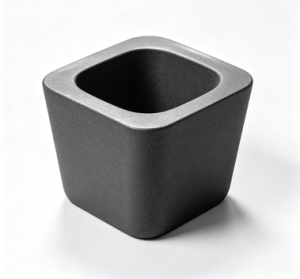
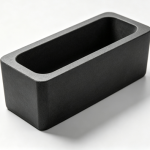
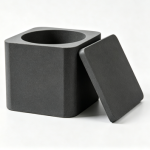
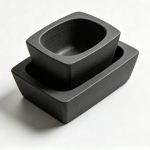
Si₃N₄-SiC Saggers Silicon Nitride Bonded Silicon Carbide Saggers


PRODUCT PARAMETERS
Description
Silicon Nitride Bonded Silicon Carbide (Si₃N₄-SiC) Saggers are advanced kiln furniture products made by combining silicon nitride and silicon carbide materials through specialized manufacturing technology. They feature excellent high-temperature stability, thermal shock resistance, oxidation resistance, and mechanical strength, making them suitable for demanding thermal processing environments. With a silicon carbide content and silicon nitride bonding structure, these saggers provide outstanding durability during repeated heating and cooling cycles. The volume density reaches 2.65-2.68g/cm³, with apparent porosity of 10.7-16%, ensuring a balance between strength, thermal performance, and resistance to thermal stress. Silicon nitride bonded silicon carbide saggers can operate safely at temperatures of 1400-1750℃ depending on furnace atmosphere conditions. They are widely used for electronic component firing, powder metallurgy sintering, ceramic and refractory material processing, as well as rare metal and loose material calcination.
Silicon Nitride Bonded Silicon Carbide saggers are designed to maintain structural integrity under repeated high-temperature firing and sintering cycles. The combination of Si₃N₄ bonding and SiC aggregate provides a balanced microstructure in which the silicon carbide contributes high-temperature strength, thermal conductivity, and resistance to thermal deformation, while the silicon nitride bonding phase helps improve mechanical stability and resistance to thermal shock. With a volume density of 2.65–2.68 g/cm³ and apparent porosity of approximately 10.7–16%, the material provides a practical balance between structural strength, thermal response, and resistance to temperature-induced stress. This makes Silicon Nitride Bonded Silicon Carbide saggers suitable for continuous industrial production where kiln furniture must withstand repeated heating and cooling without excessive deformation or premature cracking.
From an engineering perspective, the performance of Silicon Nitride Bonded Silicon Carbide saggers depends strongly on furnace temperature, atmosphere, heating and cooling rate, loading conditions, and the type of material being processed. The relatively high SiC content provides good thermal conductivity and helps distribute heat through the sagger, while the silicon nitride bonding structure contributes to dimensional stability during repeated thermal cycles. Depending on the furnace atmosphere and specific operating conditions, these saggers can typically be used within a temperature range of approximately 1400–1750℃. For applications involving long firing cycles or frequent thermal cycling, engineers should also consider sagger dimensions, wall thickness, load distribution, furnace atmosphere, contact conditions, and the chemical compatibility between the sagger and the processed material when determining the appropriate specification.
Technical Specifications
| Item | Specification |
|---|---|
| Product Name | Silicon Nitride Bonded Silicon Carbide Sagger |
| Material | Silicon Nitride Bonded Silicon Carbide (Si₃N₄-SiC) |
| Silicon Carbide Content | Customized according to requirements |
| Volume Density | 2.65-2.68 g/cm³ |
| Apparent Porosity | 10.7-16% |
| Maximum Safe Operating Temperature | 1400-1750℃ (Depending on Atmosphere) |
| Thermal Shock Resistance | Excellent |
| Oxidation Resistance | Excellent |
| Manufacturing Process | Silicon Nitride Bonding Technology |
From an engineering perspective, the performance of Silicon Nitride Bonded Silicon Carbide saggers is determined by the interaction between the SiC aggregate and the silicon nitride bonding phase rather than by silicon carbide content alone. The volume density of 2.65–2.68 g/cm³ and apparent porosity of 10.7–16% indicate a deliberately controlled microstructure that balances mechanical integrity with thermal behavior. SiC provides high thermal conductivity and resistance to high-temperature deformation, while the Si₃N₄ bonding phase helps hold the SiC structure together and improves resistance to thermal shock. This balance is particularly important during repeated furnace cycles, where rapid temperature changes can generate thermal gradients between the inner and outer surfaces of the sagger. The appropriate density and porosity level therefore need to be considered together with sagger dimensions, wall thickness, heating rate, cooling rate, loading weight, and furnace atmosphere when evaluating long-term dimensional stability and crack resistance.
The Silicon Nitride Bonded Silicon Carbide sagger should also be selected according to the actual firing environment rather than solely by its nominal temperature rating. The specified maximum safe operating temperature of approximately 1400–1750℃ depends on the furnace atmosphere, particularly because oxidation behavior and surface reactions can change under different atmospheric conditions. In practical kiln design, engineers should evaluate the interaction between the sagger material and the processed powder, ceramic body, electronic component material, or refractory product, as chemical reactions or deposition on the sagger surface may affect service life. Silicon carbide content can also be adjusted according to application requirements, allowing the thermal conductivity, mechanical behavior, and thermal response of the sagger to be matched more closely to the process. For repeated production cycles, dimensional tolerance, load distribution, support configuration, atmosphere, and thermal cycling frequency should all be included in the specification of Silicon Nitride Bonded Silicon Carbide saggers.
Product Advantages
1. Excellent High Temperature Stability
Silicon Nitride Bonded Silicon Carbide saggers are designed to maintain structural integrity and dimensional stability during prolonged high-temperature firing and sintering operations. Depending on the furnace atmosphere and actual process conditions, the maximum safe operating temperature can reach approximately 1750℃. The silicon carbide component provides excellent resistance to high-temperature deformation, while the silicon nitride bonding phase maintains the structural connection between SiC particles during thermal exposure. This combination makes the sagger suitable for demanding kiln environments where conventional refractory containers may gradually deform or deteriorate after repeated firing cycles. From an engineering perspective, high-temperature performance should be evaluated together with heating rate, holding time, cooling conditions, furnace atmosphere, load weight, and sagger geometry. A sagger operating at 1600℃ under a controlled atmosphere may experience a substantially different service condition from one exposed to rapid thermal cycling or an oxidizing environment. Therefore, Silicon Nitride Bonded Silicon Carbide saggers should be specified according to the complete thermal profile rather than temperature alone, particularly for continuous production processes requiring stable dimensions over many firing cycles.
2. Superior Thermal Shock Resistance
The combination of silicon nitride and silicon carbide provides excellent resistance to thermal shock generated during rapid heating and cooling. In industrial kilns, saggers are repeatedly exposed to significant temperature changes, and these temperature gradients can create different expansion and contraction rates between the inner and outer regions of the component. Excessive thermal stress may eventually result in cracking, edge damage, or dimensional distortion. The controlled Si₃N₄-SiC structure helps the sagger tolerate these thermal stresses more effectively during repeated kiln operations. The thermal shock resistance of Silicon Nitride Bonded Silicon Carbide is particularly important for production lines involving frequent loading and unloading, rapid temperature transitions, or repeated sintering cycles. Engineers should still consider the sagger’s wall thickness, overall dimensions, support configuration, heating and cooling rates, and furnace temperature distribution because these factors directly influence thermal gradients. Selecting an appropriate geometry and operating procedure can reduce localized thermal stress and help maintain consistent service performance over repeated cycles.
3. Strong Structural Integrity
The silicon nitride bonding phase provides a strong connection between silicon carbide particles, helping form a stable composite structure capable of supporting the mechanical loads encountered during high-temperature processing. With a volume density of 2.65–2.68 g/cm³, the material provides a controlled balance between structural compactness and thermal response. The SiC framework contributes high-temperature mechanical stability, while the silicon nitride bonding structure helps maintain the integrity of the sagger during prolonged thermal exposure and repeated firing cycles. For engineers, structural integrity involves more than simply the material’s inherent strength. The sagger may experience its own weight, the weight of the processed material, localized loading, thermal stress, handling forces, and contact pressure from kiln supports. Poorly distributed loads can create localized stress concentrations, particularly around corners, openings, or thin sections. Therefore, when designing Silicon Nitride Bonded Silicon Carbide saggers, dimensions, wall thickness, support points, loading configuration, and thermal cycling conditions should be considered together to reduce deformation and premature damage.
4. Excellent Oxidation and Corrosion Resistance
Silicon Nitride Bonded Silicon Carbide materials provide good resistance to oxidation and chemical attack under appropriate furnace conditions, allowing the sagger to maintain stable performance in demanding thermal processing environments. This characteristic is important because kiln furniture is not only exposed to high temperatures but may also interact with furnace gases, processing powders, vapors, and reaction products. Surface reactions or chemical deposition can gradually affect the sagger and may also introduce contamination into the processed material if the material system is not properly selected. The specified operating temperature range of approximately 1400–1750℃ should therefore always be considered together with furnace atmosphere. Oxidizing, inert, and other controlled atmospheres can produce different surface conditions and degradation mechanisms. Engineers should evaluate atmosphere composition, oxygen availability, processing temperature, exposure duration, and the chemical characteristics of the material being fired before selecting the sagger. In applications requiring repeated production cycles, this evaluation helps determine whether Silicon Nitride Bonded Silicon Carbide is compatible with the process and whether the expected service life meets production requirements.
5. Efficient Heat Transfer Performance
The silicon carbide component in Silicon Nitride Bonded Silicon Carbide saggers provides good thermal conductivity, allowing heat to be transferred through the sagger structure more effectively during heating and cooling. More uniform heat distribution can help reduce excessive temperature differences within the sagger and around the processed materials. This is particularly important in sintering and firing processes where temperature uniformity directly influences reaction rates, densification behavior, phase transformation, and final product consistency. From a process-engineering perspective, heat-transfer performance should not be evaluated independently from sagger geometry. Wall thickness, sagger size, loading density, spacing between saggers, furnace airflow, heating rate, and furnace temperature distribution can all affect the actual thermal profile experienced by the material inside. A properly designed Silicon Nitride Bonded Silicon Carbide sagger can therefore contribute to more consistent thermal conditions while also tolerating repeated heating and cooling. For high-volume production, maintaining a stable thermal profile can help reduce process variation and improve repeatability between firing cycles.
6. Wide Application Compatibility
Silicon Nitride Bonded Silicon Carbide saggers can be applied to a range of high-temperature industrial processes where kiln furniture must withstand repeated thermal exposure, mechanical loading, and demanding atmospheric conditions. Typical applications include electronic component firing, powder metallurgy sintering, ceramic processing, refractory material processing, and calcination of selected metal-containing or loose materials. The material’s combination of high-temperature stability, thermal shock resistance, oxidation resistance, and structural integrity makes it suitable for processes where the sagger itself must remain stable while supporting and containing the processed material. Application selection should be based on the actual process parameters rather than simply the product category. Engineers should consider firing temperature, atmosphere, heating and cooling rate, material weight, chemical interaction, required cycle frequency, and available kiln space. Sagger dimensions and wall thickness can also influence thermal response and load-bearing behavior. Because different production lines have different furnace configurations and loading requirements, Silicon Nitride Bonded Silicon Carbide saggers can be customized in terms of size, shape, wall structure, and other dimensional requirements according to equipment drawings and specific operating conditions
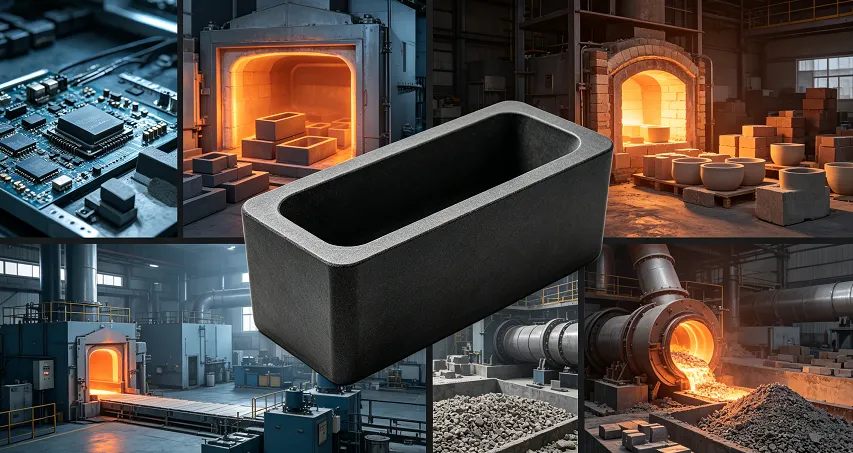
Typical Applications
1. Electronic Component Firing
Silicon Nitride Bonded Silicon Carbide saggers are widely used for firing electronic ceramic components, functional ceramic materials, and other temperature-sensitive products that require controlled thermal processing. During firing and sintering, the sagger must withstand prolonged exposure to elevated temperatures while maintaining sufficient dimensional stability to support the material being processed. The Si₃N₄-SiC structure provides good high-temperature stability and thermal shock resistance, helping the sagger remain structurally stable during repeated heating and cooling cycles. For electronic component manufacturing, process consistency is particularly important because variations in temperature distribution, sagger deformation, or interaction between the container and the processed material can affect final product quality. The 2.65–2.68 g/cm³ volume density and controlled 10.7–16% apparent porosity provide a balanced material structure for demanding kiln applications. Engineers should consider firing temperature, furnace atmosphere, component weight, loading arrangement, cycle frequency, and required dimensional accuracy when selecting the appropriate sagger specification.
2. Powder Metallurgy Sintering
Silicon Nitride Bonded Silicon Carbide saggers provide reliable support and containment for powder metallurgy products during high-temperature sintering processes. Powder metallurgy operations can involve extended exposure to elevated temperatures, repeated thermal cycles, and significant loading from the processed material. A sagger must therefore maintain its shape and structural integrity without excessive deformation while also resisting thermal shock during heating and cooling. The silicon carbide component contributes high-temperature mechanical stability and efficient heat transfer, while the silicon nitride bonding structure helps maintain the integrity of the composite during repeated thermal exposure. This combination is valuable for industrial production where saggers may be used over many cycles rather than for a single firing operation. Engineers should evaluate the sintering temperature, furnace atmosphere, material loading, heating and cooling rate, sagger dimensions, wall thickness, and contact conditions when determining whether a specific Silicon Nitride Bonded Silicon Carbide sagger is appropriate for the process.
3. Ceramic Material Processing
Si₃N₄-SiC saggers are suitable for the firing and sintering of advanced ceramics, refractory ceramics, structural ceramic products, and selected traditional ceramic materials. During ceramic processing, the container may experience prolonged high-temperature exposure as well as repeated thermal cycling. Excellent thermal shock resistance helps the sagger tolerate temperature changes and reduces the risk of damage caused by excessive thermal gradients between different regions of the component.The thermal characteristics of Silicon Nitride Bonded Silicon Carbide also make the material suitable for processes where relatively uniform heat transfer is required. Silicon carbide provides good thermal conductivity, while the silicon nitride bonding phase maintains the structural connection between SiC particles. However, actual performance depends on sagger size, wall thickness, loading density, furnace temperature distribution, atmosphere, and heating and cooling rates. Engineers should also evaluate possible chemical interaction between the sagger and the ceramic powder or green body, particularly when the firing process involves reactive materials or long holding times.
4. Refractory Material Manufacturing
In refractory material manufacturing, Silicon Nitride Bonded Silicon Carbide saggers can be used for high-temperature heating, treatment, and processing of selected refractory products and raw material systems. Refractory production often requires high firing temperatures and long thermal holding periods, placing continuous demands on kiln furniture. Under these conditions, excessive deformation, thermal shock, oxidation, or chemical interaction can shorten sagger service life and increase maintenance requirements. The Si₃N₄-SiC material combines the high-temperature stability of silicon carbide with the structural stability provided by silicon nitride bonding. Its controlled volume density of 2.65–2.68 g/cm³ and apparent porosity of 10.7–16% reflect a microstructure designed to balance mechanical performance and thermal behavior. When selecting a sagger for refractory processing, engineers should consider the firing atmosphere, maximum temperature, duration of exposure, material weight, particle composition, contact area, and frequency of thermal cycling. These parameters help determine the required dimensions and material configuration for reliable long-term operation.
5. Rare Metal Calcination
Silicon Nitride Bonded Silicon Carbide saggers can be used in selected rare metal, special material, and inorganic powder calcination processes where the container must maintain stability under elevated temperatures. Calcination may involve prolonged heating, controlled atmospheres, and direct contact between the processed powder and the sagger surface. Under these conditions, the chemical compatibility between the container and the processed material becomes an important factor because unwanted reactions, contamination, or surface deposition may influence the quality of the final product. The combination of silicon nitride bonding and silicon carbide provides good thermal stability, mechanical durability, and resistance to thermal shock for appropriate calcination environments. The operating temperature can reach approximately 1400–1750℃ depending on the furnace atmosphere and process conditions, allowing the saggers to be considered for demanding high-temperature applications. Engineers should evaluate the chemical composition of the material being calcined, atmosphere, temperature profile, holding time, powder loading, heating rate, and cooling rate before selecting the sagger. For repeated production, customized dimensions, wall thickness, loading capacity, and structural configuration can also be specified according to the furnace and process requirements.
Company Profile
Luoyang Jenson Tech Co., Ltd. specializes in the research, development, and supply of advanced materials and industrial ceramic products. The company provides high-performance ceramic materials, refractory products, and customized solutions for global industrial applications, focusing on stable quality, competitive pricing, and reliable technical support.
Payment Terms: T/T, PayPal, Credit Card, Western Union, etc.
Shipment Terms: By air, by sea, by express, or according to customer request.
Storage Conditions: Silicon Nitride Bonded Silicon Carbide Saggers should be stored in a dry, clean, and ventilated environment. Avoid moisture, chemical contamination, and mechanical impact to maintain product quality before installation and use.
FAQ About Silicon Nitride Bonded Silicon Carbide Saggers
Q1: How does the Si₃N₄-SiC structure influence the performance of a sagger during repeated high-temperature firing?
A Silicon Nitride Bonded Silicon Carbide Sagger is not simply a mixture of silicon carbide and silicon nitride. Its performance depends on the interaction between the SiC aggregate and the silicon nitride bonding phase. Silicon carbide provides the primary high-temperature framework, contributing to thermal conductivity, stiffness, wear resistance, and resistance to deformation, while the Si₃N₄ bonding phase connects the SiC particles and helps maintain structural integrity during thermal cycling. This composite structure allows the sagger to balance mechanical stability with thermal shock resistance. For process engineers, this is particularly important when the sagger is subjected to repeated heating and cooling rather than a single firing cycle. Temperature gradients across the sagger can generate internal thermal stresses, especially in large or thick-wall designs. The specified volume density of 2.65–2.68 g/cm³ and apparent porosity of 10.7–16% should therefore be considered as part of the overall microstructure and thermal behavior. Sagger dimensions, wall thickness, heating rate, cooling rate, loading conditions, and furnace atmosphere all influence actual service performance.
Q2: How should engineers determine whether a Silicon Nitride Bonded Silicon Carbide Sagger is suitable for a 1400–1750℃ process?
The stated maximum safe operating temperature of 1400–1750℃ should not be treated as a universal temperature rating applicable to every furnace condition. The actual usable temperature depends significantly on the furnace atmosphere, heating and cooling profile, exposure duration, load conditions, and chemical environment. At elevated temperatures, the interaction between the Si₃N₄-SiC material and the surrounding atmosphere can influence surface stability and long-term degradation, so the process atmosphere needs to be considered together with temperature. When evaluating a Silicon Nitride Bonded Silicon Carbide sagger for a production process, engineers should first define the complete thermal profile rather than only the peak temperature. Important parameters include maximum temperature, temperature holding time, heating rate, cooling rate, thermal cycling frequency, atmosphere composition, and temperature gradients inside the furnace. The weight and distribution of the processed material should also be considered because mechanical loading at high temperature can contribute to deformation. For continuous production, testing the sagger under representative furnace conditions can provide more meaningful information than comparing nominal temperature specifications alone.
Q3: How do volume density and apparent porosity affect the engineering performance of Si₃N₄-SiC saggers?
For Silicon Nitride Bonded Silicon Carbide saggers, volume density and apparent porosity are important indicators of the material’s internal structure. The specified volume density of 2.65–2.68 g/cm³ indicates the overall mass-to-volume characteristics of the finished material, while the 10.7–16% apparent porosity reflects the proportion of accessible pores within the structure. These parameters can influence mechanical integrity, thermal response, permeability, surface interaction, and resistance to penetration by gases or process materials. Engineers should not automatically assume that lower porosity is always better. A kiln sagger needs a suitable balance between structural compactness and thermal behavior, and the appropriate microstructure depends on the intended application. Excessive open porosity may increase the possibility of process-material penetration or chemical interaction, while changes in porosity can also affect thermal shock behavior and mechanical performance. Therefore, when specifying a Silicon Nitride Bonded Silicon Carbide Sagger, density and porosity should be evaluated together with wall thickness, operating temperature, atmosphere, processed material, thermal cycling, and expected service life rather than being considered as isolated quality indicators.
Q4: What factors should be considered when designing the dimensions and wall thickness of a Silicon Nitride Bonded Silicon Carbide Sagger?
Sagger dimensions should be determined according to the furnace chamber, loading configuration, processed material, thermal profile, and mechanical requirements. Important design parameters include overall length and width, height, wall thickness, bottom thickness, corner geometry, internal volume, support arrangement, and clearance between the sagger and adjacent kiln furniture. A larger sagger can accommodate more material, but increasing its size or wall thickness may also change the heating and cooling behavior and increase temperature differences between different regions of the component. From a mechanical and thermal-design perspective, sharp corners, sudden changes in wall thickness, and localized loading should be avoided where possible because they can create stress concentrations. The weight of the processed material must also be distributed appropriately, particularly when multiple saggers are stacked or supported inside a kiln. For a Silicon Nitride Bonded Silicon Carbide sagger used for repeated firing, engineers should evaluate dimensional stability together with thermal expansion, temperature gradients, loading weight, support points, and handling conditions. Customized geometry is therefore often preferable to simply selecting a standard sagger size when the production equipment has specific loading or space limitations.
Q5: What causes premature cracking or failure of Si₃N₄-SiC saggers during industrial operation?
Premature failure of a Silicon Nitride Bonded Silicon Carbide sagger is not necessarily caused by insufficient material strength. In many practical applications, failure can be associated with thermal gradients, improper loading, mechanical impact, excessive assembly or support stress, rapid heating and cooling, or incompatibility with the furnace atmosphere and processed material. Repeated thermal cycling can gradually accumulate damage if the sagger experiences significant temperature differences between its surfaces or if its expansion and contraction are constrained by the surrounding kiln structure. Handling and installation are also important because ceramic kiln furniture behaves differently from ductile metal components. Impacts at corners or edges, uneven support, concentrated loads, and improper stacking can introduce localized defects that become critical during subsequent high-temperature cycles. Chemical interaction or deposition from the processed material can further alter the surface over time. For engineers troubleshooting Silicon Nitride Bonded Silicon Carbide sagger failure, it is therefore useful to examine the complete operating history, including firing temperature, atmosphere, thermal cycle, loading weight, support configuration, handling procedure, crack location, deformation pattern, and number of completed cycles. This approach can help distinguish material-related problems from process or mechanical-design issues.
REQUEST A QUOTE
RELATED PRODUCTS
Silicon Carbide Nozzle SiC Ceramic Spray Nozzle
RSiC Saggers Recrystallized Silicon Carbide Saggers
Silicon Carbide Kiln Shelf SiC Ceramic Plate
Silicon Carbide Roller SiC Ceramic Roller Rod
Silicon Carbide Grinding Ball High Hardness SiC Ceramic Grinding Media