Advanced Technical Ceramics, Precision Alumina, Silicon Carbide, Crucible Parts



Silicon Carbide

RSiC Saggers Recrystallized Silicon Carbide Saggers

Si₃N₄-SiC Saggers Silicon Nitride Bonded Silicon Carbide Saggers

Pressureless Sintered Silicon Carbide Saggers

Reaction Sintered Silicon Carbide Saggers

Silicon Carbide Nozzle SiC Ceramic Spray Nozzle
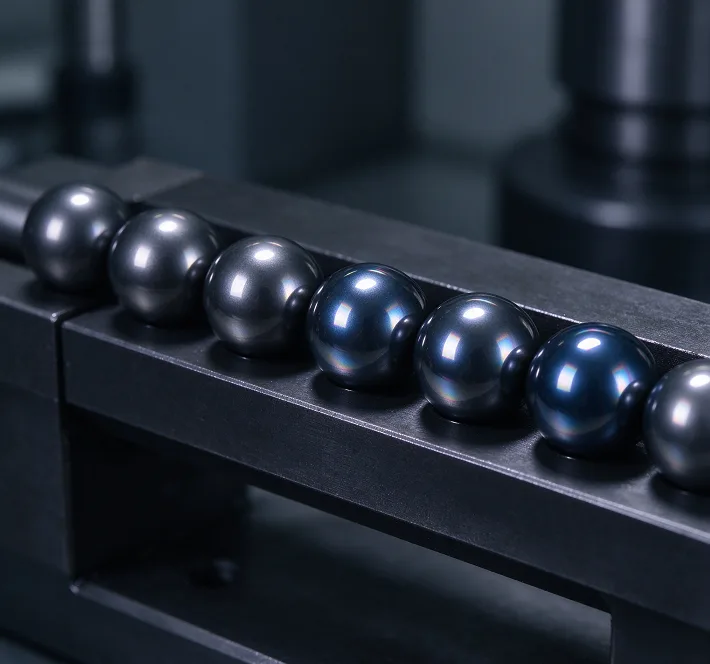
Silicon Carbide Precision Ball SiC Ceramic Ball

Silicon Carbide Grinding Ball High Hardness SiC Ceramic Grinding Media

Silicon Carbide Seal Ring High Strength SiC Ceramic Mechanical Seal Ring

Silicon Carbide Roller SiC Ceramic Roller Rod

Silicon Carbide Kiln Shelf SiC Ceramic Plate

Silicon Carbide Refractory Brick SiC Ceramic Brick
Review of Silicon Carbide
Silicon Carbide (SiC) ceramic is a high-performance advanced ceramic material widely recognized for its excellent hardness, high temperature resistance, thermal conductivity, and chemical stability. Compared with traditional ceramic materials, Silicon Carbide provides superior mechanical strength and outstanding performance under extreme working conditions.
JianXuan provides various high-quality Silicon Carbide ceramic products manufactured with advanced ceramic technologies, including Pressureless-Sintered Silicon Carbide, Reaction-Bonded Silicon Carbide, Recrystallized Silicon Carbide, and Silicon Nitride-Bonded Silicon Carbide. These SiC ceramic solutions are designed for applications requiring excellent wear resistance, thermal shock resistance, and long service life.
Silicon Carbide ceramic components are widely applied in high-temperature industries, semiconductor equipment, furnace systems, chemical processing, and precision engineering fields. With stable performance and excellent durability, SiC ceramics provide reliable solutions for demanding industrial environments.
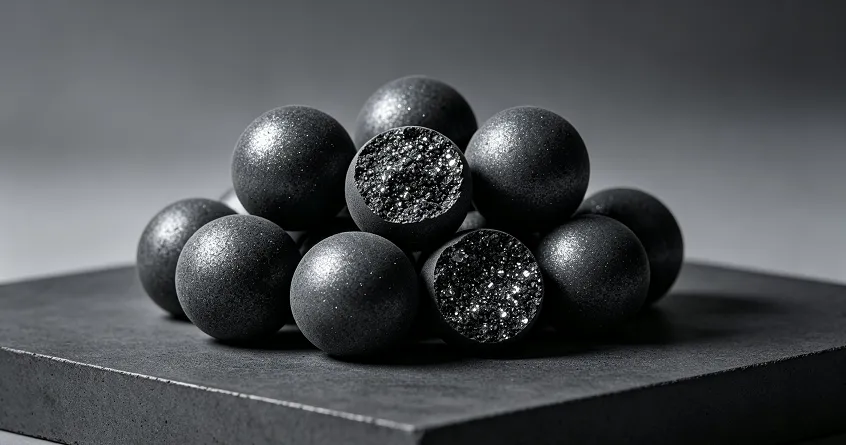
Advantages of Silicon Carbide Ceramic
1. Exceptional High-Temperature Strength and Structural Stability
Silicon Carbide (SiC) ceramic maintains excellent mechanical strength, hardness, and dimensional stability under extreme temperature conditions. Unlike many metals that suffer from softening, creep deformation, or strength loss at elevated temperatures, SiC retains its structural integrity in high-temperature environments. This makes SiC ceramic suitable for furnace components, kiln furniture, heat treatment systems, and other applications requiring long-term thermal reliability.
2. Outstanding Wear Resistance for Severe Mechanical Environments
Silicon Carbide ceramic features extremely high hardness and excellent resistance to abrasion, erosion, and mechanical wear. Its dense microstructure enables stable performance under high-speed particle impact, friction, and continuous operating conditions, significantly reducing component degradation. SiC ceramic is widely used for wear-resistant components such as grinding parts, mechanical seals, nozzles, and industrial processing equipment exposed to abrasive environments.
3. Superior Thermal Conductivity and Excellent Thermal Shock Resistance
Silicon Carbide ceramic combines high thermal conductivity with a low coefficient of thermal expansion, allowing rapid heat transfer and reducing thermal stress during temperature fluctuations. This unique combination enables SiC components to withstand repeated heating and cooling cycles without cracking or failure. These properties make SiC ceramic ideal for heat exchangers, furnace structures, semiconductor processing equipment, and high-temperature thermal management systems.
4. Excellent Oxidation and Chemical Corrosion Resistance
Silicon Carbide ceramic demonstrates excellent resistance to oxidation, acids, alkalis, molten materials, and aggressive chemical environments. During high-temperature oxidation, a protective silicon oxide layer can form on the surface, improving material stability and extending service life. This makes SiC components suitable for chemical processing equipment, combustion systems, semiconductor manufacturing, and applications involving corrosive media.
5. High Mechanical Reliability and Precision Dimensional Stability
Silicon Carbide ceramic provides a unique combination of high hardness, high elastic modulus, low density, and excellent creep resistance. These characteristics allow SiC components to maintain precise dimensions and mechanical performance under continuous thermal and mechanical loading. As a result, SiC ceramic is widely applied in precision industrial components, sealing systems, structural parts, and advanced equipment requiring long-term operational reliability.
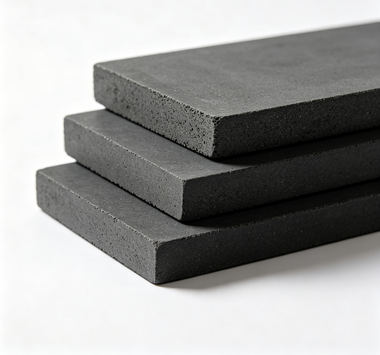
Technical Specifications of Silicon Carbide Ceramic
| Property | Value |
|---|---|
| Material | Silicon Carbide (SiC) Ceramic |
| Density | 3.0–3.2 g/cm³ |
| Hardness | ≥2400 HV |
| Flexural Strength | 300–600 MPa |
| Compressive Strength | ≥2000 MPa |
| Thermal Conductivity | 80–200 W/(m·K) |
| Maximum Operating Temperature | 1600–2000°C |
| Thermal Expansion Coefficient | 4.0–4.5 ×10⁻⁶/°C |
| Corrosion Resistance | Excellent |
| Wear Resistance | Extremely High |
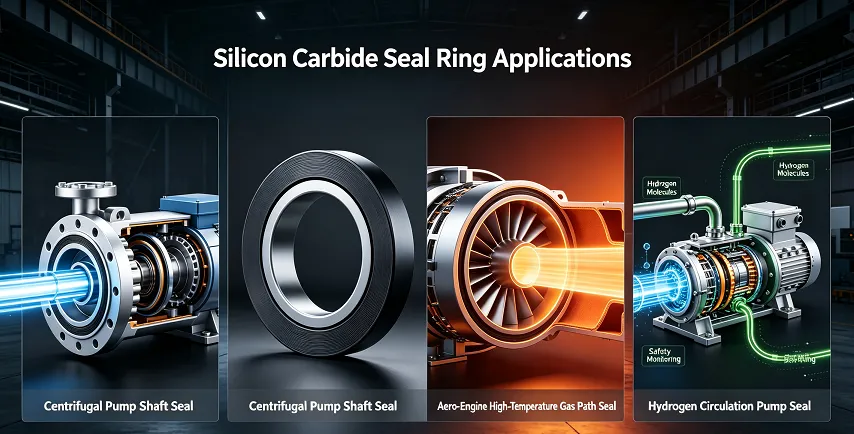
Applications of Silicon Carbide Ceramic
1. Semiconductor Manufacturing Equipment
Silicon Carbide (SiC) ceramic components are widely used in semiconductor manufacturing equipment due to their excellent thermal stability, high purity, plasma resistance, and dimensional accuracy. In processes such as wafer etching, deposition, and thermal treatment, SiC components can withstand high-temperature environments, reactive gases, and plasma exposure while maintaining structural integrity and minimizing contamination risks. Typical applications include wafer susceptors, chamber components, focus rings, shower plates, and precision structural parts for semiconductor processing equipment.
2. High-Temperature Furnace and Thermal Processing Systems
Silicon Carbide ceramic is extensively applied in high-temperature furnace systems because of its excellent mechanical strength retention, thermal conductivity, and thermal shock resistance. Compared with traditional refractory materials, SiC components can withstand rapid temperature fluctuations and continuous thermal cycling while maintaining precise dimensions and load-bearing capability. Typical applications include kiln furniture, furnace tubes, heating element supports, radiant tubes, and structural components used in sintering, heat treatment, and crystal growth equipment.
3. Photovoltaic and Advanced Ceramic Manufacturing Equipment
Silicon Carbide ceramic plays an important role in photovoltaic manufacturing and advanced ceramic production processes where components are exposed to high temperatures and mechanical loading. Its high stiffness, low thermal expansion, and oxidation resistance enable stable operation during long-duration thermal processing cycles. SiC components are commonly used in wafer boats, support structures, process fixtures, and kiln components to improve production consistency and extend equipment service life.
4. Metallurgical Processing and Molten Material Applications
Silicon Carbide ceramic is suitable for demanding metallurgical environments due to its excellent resistance to thermal shock, oxidation, erosion, and chemical attack. It maintains reliable performance when exposed to molten metals, high-temperature gases, and abrasive operating conditions. Typical applications include crucibles, furnace linings, thermocouple protection tubes, burner components, and wear-resistant parts used in metal processing systems.
5. Chemical Processing and Corrosion-Resistant Equipment
Silicon Carbide ceramic provides outstanding corrosion resistance against strong acids, alkalis, and aggressive chemical media, making it suitable for harsh chemical processing environments. Its high hardness and wear resistance enable long-term operation under conditions involving chemical corrosion, particle erosion, and mechanical stress. SiC components are widely used in mechanical seals, pump components, heat exchangers, reaction equipment, and other chemical processing systems requiring high reliability and extended service life.
6. Wear-Resistant Industrial Components
Due to its extremely high hardness and excellent abrasion resistance, Silicon Carbide ceramic is widely used in industrial applications involving severe wear, particle impact, and fluid erosion. Compared with conventional metals and softer ceramics, SiC components maintain stable performance under continuous friction and abrasive conditions, helping reduce downtime and maintenance requirements. Typical applications include spray nozzles, grinding components, wear plates, sealing rings, and precision wear-resistant parts.
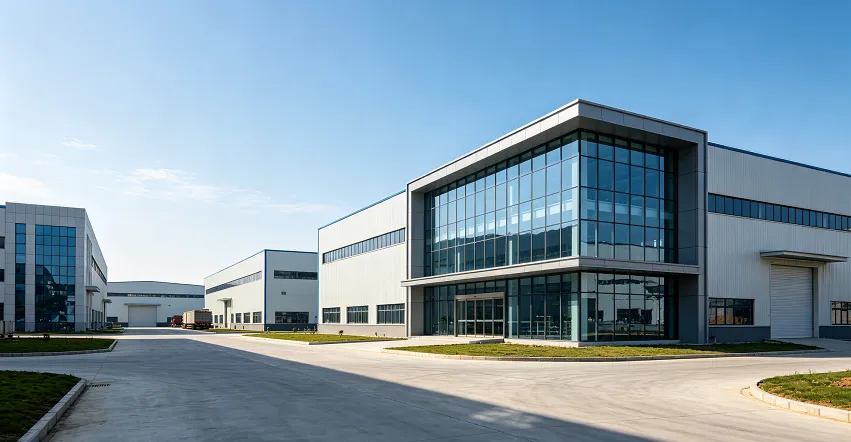
Company Profile
JianXuan is a professional manufacturer and supplier specializing in advanced ceramic products, including Silicon Carbide (SiC), Alumina (Al₂O₃), and Boron Nitride (BN) ceramic components. With advanced production technology, strict quality control systems, and professional ceramic manufacturing experience, JianXuan provides high-performance ceramic solutions for global industrial applications requiring high temperature resistance, wear resistance, and excellent mechanical properties.
Payment Terms: T/T, PayPal, Credit Card, Western Union, etc.
Shipment Terms: By air, by sea, by express, or according to customer request.
Storage Conditions: Silicon Carbide ceramic products should be stored in a dry, clean, and well-ventilated environment. Avoid moisture, contamination, strong impact, and direct exposure to harsh conditions during storage to maintain product quality.
Package
Silicon Carbide ceramic products are carefully packaged to ensure safe transportation and prevent damage during delivery.
1.Protective Packaging-Each ceramic component is individually protected with suitable packing materials to avoid scratches, cracks, or impact damage.
2.Export Standard Packing-Products can be packed with export-standard wooden cases, foam materials, and shock-resistant packaging according to product size and quantity.
3.Customized Packaging Solutions-JianXuan provides customized packaging solutions based on customer requirements, transportation methods, and product specifications.
FAQs of Silicon Carbide
1. What are the main differences between Reaction Bonded SiC, Sintered SiC, Recrystallized SiC, and Nitride Bonded SiC?
Silicon Carbide ceramics are manufactured through different processes, and each type provides different performance characteristics for specific industrial applications. Reaction Bonded Silicon Carbide (RBSC) offers excellent thermal shock resistance, good mechanical strength, and cost-effective performance for large structural components. Sintered Silicon Carbide (SSiC) provides higher hardness, superior corrosion resistance, and excellent mechanical reliability for precision components exposed to severe wear and chemical environments. Recrystallized Silicon Carbide (RSiC) features high-temperature stability and excellent thermal conductivity, making it suitable for furnace structures and thermal processing equipment, while Nitride Bonded Silicon Carbide (NSiC) is commonly used in refractory applications requiring good thermal shock resistance and oxidation stability.
2. How does Silicon Carbide ceramic perform under high-temperature operating conditions?
Silicon Carbide ceramic maintains excellent mechanical strength, dimensional stability, and oxidation resistance under high-temperature environments. Compared with many metallic materials, SiC does not experience significant softening or deformation at elevated temperatures, allowing components to maintain reliable performance during continuous thermal exposure. Depending on the material grade, atmosphere conditions, and application requirements, SiC ceramic can be used in high-temperature furnaces, semiconductor equipment, heat treatment systems, and thermal processing applications.
3. Why is Silicon Carbide ceramic suitable for wear-resistant and corrosive applications?
Silicon Carbide ceramic combines extremely high hardness, excellent abrasion resistance, and strong chemical stability, making it suitable for aggressive operating environments. Its dense microstructure enables resistance against particle erosion, mechanical wear, acids, alkalis, and many corrosive media. SiC components are widely used in mechanical seals, pump parts, nozzles, chemical processing equipment, and industrial wear components where long service life and reliability are required.
4. How should engineers select the appropriate Silicon Carbide ceramic grade for an application?
The selection of Silicon Carbide ceramic depends on several operating factors, including temperature range, mechanical loading, chemical exposure, thermal cycling frequency, and dimensional requirements. For applications requiring high wear resistance and precision performance, SSiC is often preferred, while RBSC and RSiC may be selected for large high-temperature structures and furnace components. JianXuan can assist customers in selecting suitable SiC ceramic grades based on actual operating conditions and component requirements.
5. Can JianXuan manufacture customized Silicon Carbide ceramic components according to engineering requirements?
Yes. JianXuan provides customized Silicon Carbide ceramic components according to technical drawings, dimensions, tolerances, and application conditions. Our engineering team supports material selection, structural optimization, precision machining, and performance evaluation to ensure the final SiC components meet specific industrial requirements. Customized SiC products are available for applications including semiconductor equipment, furnace systems, chemical processing, metallurgy, and wear-resistant engineering systems.
6. What factors affect the service life of Silicon Carbide ceramic components?
The service life of SiC ceramic components depends on operating temperature, thermal cycling conditions, mechanical impact, chemical exposure, and installation design. Although Silicon Carbide provides excellent durability, improper material selection or unsuitable operating environments may affect performance. Proper grade selection, optimized component design, and professional manufacturing processes help maximize reliability and extend service life.