Advanced Technical Ceramics, Precision Alumina, Silicon Carbide, Crucible Parts



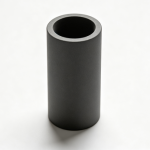
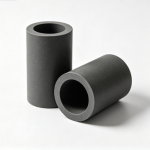
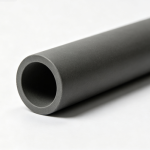
Si3N4 Ceramic Pipe Fittings Silicon Nitride Ceramic Tube Fitting


PRODUCT PARAMETERS
Description
High Performance Silicon Nitride Ceramic Tube Fittings, also known as Si3N4 Ceramic Pipe Fittings or Silicon Nitride Ceramic Components, are advanced engineering ceramic parts designed for demanding industrial environments requiring excellent corrosion resistance, mechanical strength, wear resistance, and thermal stability. Manufactured from high-performance silicon nitride ceramic, these fittings are suitable for systems where conventional metallic components may experience corrosion, deformation, surface wear, or shortened service life. Their combination of low thermal expansion, high mechanical strength, and chemical stability allows them to maintain reliable dimensional performance under complex operating conditions. For engineers designing fluid-handling and high-temperature systems, silicon nitride fittings can provide a ceramic solution where material compatibility, dimensional stability, and long-term reliability are critical considerations.
Manufactured from high-purity silicon nitride ceramic, these Silicon Nitride Tube Fittings feature a low thermal expansion coefficient of 3.1 × 10⁻⁶/℃, thermal conductivity of 15–20 W/(m·K), Vickers hardness of 1500 HV, and compressive strength of 2500 MPa. The low thermal expansion coefficient helps minimize dimensional changes during temperature fluctuations, which is important for maintaining connection accuracy and reducing thermally induced stress in high-temperature systems. A Vickers hardness of 1500 HV provides strong resistance to surface wear and mechanical damage, while the high compressive strength enables the fittings to withstand significant mechanical loading. These properties make Si3N4 fittings suitable for applications where dimensional stability, structural integrity, and resistance to demanding thermal and mechanical conditions are required simultaneously.
Compared with traditional metal fittings, Si3N4 Ceramic Tube Fittings offer excellent chemical resistance, wear resistance, thermal stability, and long-term dimensional reliability in selected industrial environments. Silicon nitride does not behave like conventional metals when exposed to many corrosive or high-temperature process conditions, making material compatibility an important advantage for specific fluid and processing systems. They are widely used for transporting highly corrosive chemicals, petroleum refining systems, high-temperature material manufacturing, and advanced industrial processing equipment, particularly where corrosion, abrasion, thermal cycling, or contamination from metallic materials may affect system performance. For technical procurement, factors such as tube diameter, connection geometry, wall thickness, operating temperature, pressure, chemical medium, surface finish, and dimensional tolerance should be evaluated together to determine the appropriate Silicon Nitride Tube Fittings specification for the intended application.
Technical Specifications
| Item | Specification |
|---|---|
| Product Name | High Performance Silicon Nitride Ceramic Tube Fittings |
| Material | Silicon Nitride (Si₃N₄) Ceramic |
| Thermal Expansion Coefficient | 3.1 × 10⁻⁶/℃ |
| Thermal Conductivity | 15-20 W/(m·K) |
| Vickers Hardness | 1500 HV |
| Compressive Strength | 2500 MPa |
| Corrosion Resistance | Excellent |
| Wear Resistance | Excellent |
| Temperature Stability | Excellent |
| Product Type | Ceramic Tube Fittings / Pipe Components |
| Customization | Size, Shape, Structure Available |
| Applications | Chemical Processing, Petroleum Refining, High Temperature Manufacturing |
For engineering selection, the specifications above should be considered together with the actual operating conditions rather than evaluated individually. The low thermal expansion coefficient of 3.1 × 10⁻⁶/℃ helps limit dimensional changes during temperature fluctuations, which is particularly important for ceramic tube fittings installed in systems exposed to repeated heating and cooling. The 1500 HV Vickers hardness provides strong resistance to surface wear and mechanical damage, while the 2500 MPa compressive strength supports structural stability under significant compressive loading. Combined with excellent corrosion and wear resistance, these properties make silicon nitride suitable for demanding fluid-handling and high-temperature systems where dimensional accuracy and long-term material stability are important.
For procurement and process engineers, the selection of Silicon Nitride Ceramic Tube Fittings should also take the complete system configuration into account. Key factors include tube diameter, wall thickness, connection geometry, dimensional tolerance, operating temperature, working pressure, chemical medium, flow conditions, thermal cycling, and expected service life. The material’s thermal conductivity of 15–20 W/(m·K) and low thermal expansion can help maintain predictable behavior during temperature changes, but the actual performance depends on the fitting geometry and installation conditions. Customized size, shape, and structural configurations can be developed according to equipment drawings and process requirements, allowing the ceramic fittings to be better matched to specific chemical processing, petroleum refining, and high-temperature manufacturing systems.
Product Advantages of Silicon Nitride Ceramic Tube Fittings
1. Excellent Thermal Stability and Low Thermal Expansion
Silicon Nitride Ceramic Tube Fitting has a low thermal expansion coefficient of approximately 3.1 × 10⁻⁶/℃, which helps minimize dimensional changes when exposed to significant temperature fluctuations. This characteristic is important for high-temperature piping and fluid-handling systems where repeated heating and cooling can generate thermal stress at connection points. Compared with materials that undergo greater thermal expansion, silicon nitride can help maintain more consistent dimensional accuracy and reduce the risk of deformation or excessive stress during thermal cycling. From an engineering perspective, this makes Si₃N₄ particularly valuable when fitting alignment, sealing geometry, and long-term structural stability must be maintained under variable temperatures.
2. High Hardness and Excellent Wear Resistance
With a Vickers hardness of approximately 1500 HV, Silicon Nitride Ceramic Tube Fitting provides strong resistance to abrasive wear, surface damage, and mechanical contact. This property is especially useful in systems transporting abrasive particles, high-velocity fluids, or process media capable of gradually eroding conventional component surfaces. High hardness helps maintain the internal and external geometry of the fitting over extended operating periods, which can contribute to more stable flow conditions and connection performance. Engineers should consider hardness together with particle concentration, flow velocity, pressure, and contact conditions when evaluating the expected wear behavior of the fitting in a specific system.
3. High Compressive Strength and Structural Reliability
The compressive strength of Silicon Nitride Ceramic Tube Fitting can reach approximately 2500 MPa, providing substantial resistance to compressive loading and mechanical stress. This characteristic is particularly relevant for fittings installed in systems where external forces, pressure-related loads, thermal stress, or assembly forces may act on the ceramic component. The high strength of silicon nitride helps maintain structural integrity without significant permanent deformation under appropriate operating conditions. However, because ceramic materials behave differently from ductile metals under tensile and impact loading, engineers should also consider installation method, support structure, stress concentration, fitting geometry, and tightening force when designing the complete connection system.
4. Strong Corrosion Resistance in Aggressive Process Environments
Silicon Nitride Ceramic Tube Fitting offers excellent chemical and corrosion resistance, making it suitable for selected applications involving aggressive chemicals, reactive process media, and demanding industrial atmospheres. Unlike conventional metallic fittings that may experience corrosion, pitting, or surface degradation under certain chemical conditions, silicon nitride maintains a stable ceramic structure across a broad range of demanding environments. This can be particularly valuable in chemical processing and petroleum-related systems where material compatibility directly affects maintenance requirements and equipment reliability. For proper material selection, engineers should still evaluate the specific chemical composition, concentration, temperature, pressure, exposure time, and flow conditions rather than assuming universal chemical resistance.
5. Customized Geometry for Precision Industrial Systems
A major advantage of Silicon Nitride Ceramic Tube Fitting is the ability to customize its size, shape, connection structure, wall thickness, and dimensional tolerances according to specific equipment requirements. Standard fittings may not always provide the required geometry for complex piping systems, especially where limited installation space, unusual connection configurations, or strict dimensional requirements are involved. From an engineering perspective, customization should begin with the actual operating parameters and equipment drawings, including tube diameter, pressure, temperature, chemical medium, flow characteristics, and installation method. By matching the ceramic composition and structural design to the application, customized Si₃N₄ fittings can provide more predictable mechanical performance, dimensional stability, and service reliability in demanding industrial systems.
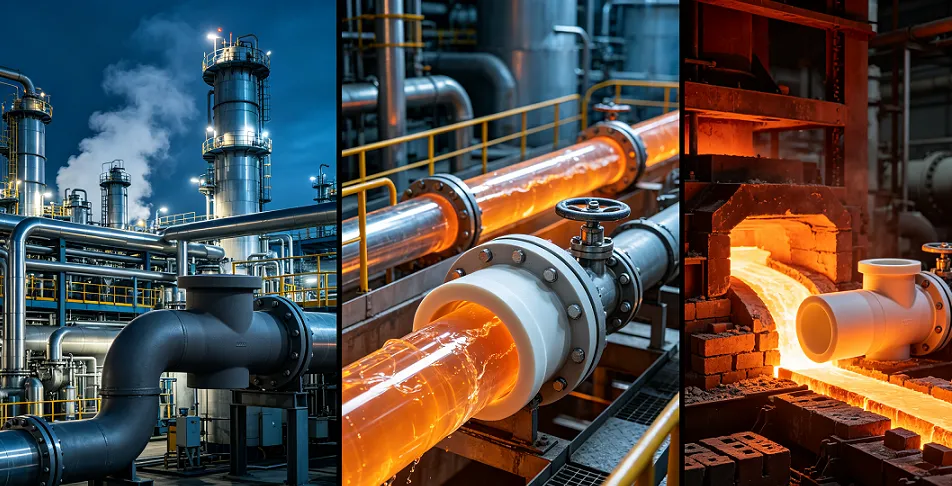
Typical Applications of Silicon Nitride Ceramic Tube Fittings
1. Chemical Processing Equipment
Silicon Nitride Ceramic Tube Fittings are suitable for specialized chemical processing systems where piping components are exposed to corrosive chemicals, reactive media, elevated temperatures, or abrasive particles. In these environments, conventional metallic fittings may gradually suffer from corrosion, surface degradation, erosion, or dimensional changes, particularly when the process involves continuous fluid circulation and elevated operating temperatures. Silicon nitride provides a combination of chemical stability, high hardness, mechanical strength, and thermal stability that can help maintain the functional integrity of the fitting under appropriate service conditions. Its resistance to mechanical wear is also relevant in systems where process fluids contain suspended particles or where high flow velocity can produce localized erosion at bends, joints, and connection areas.
From an engineering perspective, selecting a Silicon Nitride Ceramic Tube Fitting for chemical equipment should not be based only on general corrosion resistance. The actual compatibility between Si₃N₄ and the process medium needs to be evaluated according to chemical composition, concentration, temperature, pressure, flow velocity, exposure time, and the presence of solid particles or other reactive components. Changes in temperature and pressure can also affect the mechanical loading applied to the fitting, especially at connection points. Therefore, engineers normally consider the complete operating environment rather than evaluating the ceramic material in isolation.
Fitting geometry is another important consideration in chemical processing equipment. Internal diameter, wall thickness, connection structure, sealing arrangement, and dimensional tolerance can influence pressure distribution and flow characteristics. For systems requiring continuous operation, the design should also consider thermal cycling, vibration, installation stress, and the possibility of differential expansion between ceramic and metallic components. Properly matched Silicon Nitride Ceramic Tube Fittings can therefore serve as specialized connection components in chemical processing systems where long-term dimensional stability, wear resistance, and material compatibility are important design requirements.
2. Petroleum Refining Systems
In petroleum refining and related hydrocarbon processing equipment, Si₃N₄ Ceramic Tube Fittings can be considered for selected piping and connection areas where corrosion, thermal cycling, mechanical loading, and wear may affect conventional components. Refining systems can involve elevated temperatures, continuous fluid movement, pressure fluctuations, and process streams containing different hydrocarbon components or particulate matter. Under these conditions, the performance of a fitting depends not only on its nominal strength but also on its ability to maintain dimensional stability and resist surface degradation throughout repeated operating cycles. Silicon nitride combines high compressive strength with a low thermal expansion coefficient, which can help reduce dimensional changes as process temperatures increase and decrease.
The approximately 3.1 × 10⁻⁶/℃ thermal expansion coefficient is particularly relevant when ceramic fittings are integrated with other materials that have substantially different coefficients of thermal expansion. Excessive differential expansion can introduce additional stress at connection points, especially during startup, shutdown, or rapid temperature changes. The high hardness of silicon nitride can also provide resistance to mechanical wear in selected process streams where suspended particles or repeated fluid movement may gradually damage less wear-resistant surfaces. These characteristics make the material relevant to specialized components where both thermal and mechanical stability are required.
When selecting a Silicon Nitride Ceramic Tube Fitting for petroleum refining equipment, engineers should evaluate the specific hydrocarbon composition, operating pressure, process temperature, flow velocity, particulate content, and chemical environment. The connection method is equally important because ceramic components have different mechanical behavior from ductile metals. Excessive tightening force, concentrated mechanical loading, or poor alignment can create localized stress and reduce component reliability. For this reason, fitting dimensions, wall thickness, connection geometry, support conditions, and thermal expansion allowances should be considered together during equipment design rather than treating the ceramic fitting as a simple replacement for a metallic part.
3. High Temperature Material Manufacturing
Silicon Nitride Tube Fittings are suitable for high-temperature material manufacturing processes where piping, gas-transfer lines, reaction systems, or connection components must maintain structural stability during prolonged thermal exposure. In high-temperature equipment, repeated heating and cooling can cause dimensional changes and thermal stresses that gradually affect component alignment and connection performance. Silicon nitride has a relatively low thermal expansion coefficient of approximately 3.1 × 10⁻⁶/℃, allowing it to undergo relatively limited dimensional change as temperature varies. This characteristic can be valuable in systems where the fitting must maintain a defined position relative to tubes, chambers, heaters, or other precision components.
Thermal performance should also be considered together with the surrounding atmosphere and actual temperature profile. A component exposed to a stable temperature may experience a different stress condition from one subjected to repeated rapid heating and cooling. Temperature gradients across the fitting can create localized thermal stresses, while differences in expansion between the ceramic fitting and connected metal components may introduce additional mechanical loading. For this reason, engineers should evaluate not only the maximum operating temperature but also heating rate, cooling rate, temperature distribution, thermal cycling frequency, holding time, and connection structure when designing a high-temperature system.
The mechanical properties of silicon nitride provide another advantage in demanding thermal environments. A Vickers hardness of approximately 1500 HV and compressive strength of up to 2500 MPa provide strong resistance to mechanical deformation and surface damage under appropriate loading conditions. However, ceramic components should still be designed with appropriate support and stress distribution because high hardness and compressive strength do not mean unlimited resistance to tensile or impact loading. For engineers developing high-temperature material manufacturing equipment, the final fitting specification should therefore take into account furnace or process atmosphere, maximum temperature, pressure, thermal gradients, installation method, tube dimensions, wall thickness, and required dimensional tolerances.
4. Industrial Pipeline Systems
Due to their combination of wear resistance, corrosion resistance, hardness, and dimensional stability, these Silicon Nitride Ceramic Tube Fittings can be used in specialized industrial pipeline systems handling demanding process media. Pipeline fittings are often exposed to localized mechanical stresses that are different from those experienced by straight pipe sections. Changes in flow direction can increase turbulence and create higher wear rates around elbows, joints, and transition areas, particularly when the transported medium contains abrasive particles. Silicon nitride’s Vickers hardness of approximately 1500 HV can help reduce surface damage caused by mechanical abrasion and erosion under suitable operating conditions.
The material’s compressive strength of up to 2500 MPa also contributes to its ability to withstand appropriate compressive and structural loading. However, engineers should distinguish between compressive strength and the complete mechanical loading condition of an installed fitting. Pipeline components can experience internal pressure, external forces, vibration, thermal stress, assembly forces, bending loads, and localized stress concentrations around connection points. Because silicon nitride is a ceramic material, the fitting design should minimize sharp stress concentrations and avoid excessive mechanical impact during installation or maintenance.
For a Silicon Nitride Ceramic Tube Fitting, dimensional design is therefore closely related to service performance. Pipe diameter determines the available flow area, while wall thickness influences mechanical stability and thermal behavior. Connection geometry affects load distribution and sealing performance, and dimensional tolerance determines whether the ceramic fitting can be properly integrated with adjacent components. Engineers should also evaluate pressure, flow velocity, particle concentration, particle hardness, operating temperature, thermal cycling, and expected service duration. For abrasive or corrosive pipeline applications, these factors provide a more meaningful basis for material selection than simply comparing the nominal strength of different materials.
5. Advanced Engineering Equipment
Silicon Nitride Ceramic Tube Fittings are also used in advanced industrial equipment where conventional metallic components may not provide the required combination of thermal stability, mechanical strength, wear resistance, and chemical resistance. In specialized processing equipment, a tube fitting may appear to be a relatively small component, but its performance can directly affect fluid transfer, system alignment, sealing, maintenance frequency, and overall equipment reliability. Silicon nitride is particularly relevant when the component must operate under demanding thermal or mechanical conditions while maintaining relatively stable dimensions throughout the operating cycle.
The combination of low thermal expansion, high hardness, high compressive strength, and chemical stability allows the material to perform in environments where multiple forms of material degradation may occur simultaneously. For example, a fitting may experience elevated temperature together with pressure, fluid flow, abrasive particles, or repeated thermal cycling. In such cases, evaluating only one property, such as hardness or temperature resistance, is not sufficient. Engineers need to consider how the material properties interact with the actual operating conditions and whether the fitting geometry can distribute mechanical and thermal stresses appropriately.
For precision equipment, dimensional accuracy and connection geometry can be just as important as the basic material properties. An incorrectly designed fitting may introduce excessive assembly stress, misalignment, localized loading, or uneven sealing pressure even when the ceramic itself has excellent material properties. Engineers can therefore customize the size, shape, wall thickness, connection structure, internal diameter, external diameter, and dimensional tolerance according to equipment drawings and operating requirements. Depending on the application, the design can also be evaluated in relation to operating pressure, temperature range, thermal cycling, fluid characteristics, installation method, and surrounding component materials. This approach allows the Silicon Nitride Ceramic Tube Fitting to function as an integrated engineering component rather than simply as a ceramic replacement for a conventional metal fitting.
Company Profile
Jenson(Luoyang) Technology Co., Ltd. specializes in manufacturing advanced ceramic materials and customized ceramic components, including Silicon Nitride ceramics, Boron Nitride ceramics, Aluminum Nitride ceramics, Alumina ceramics, and high-performance engineering ceramic parts. We provide reliable ceramic solutions for global customers in chemical processing, petroleum, semiconductor, metallurgy, and high-temperature industrial applications.
Shipment Terms
Shipment Terms: By air, by sea, by express, or according to customer request.
Payment Terms
Payment Terms: T/T, PayPal, Credit Card, Western Union, etc.
Storage Conditions
Silicon Nitride Ceramic Tube Fittings should be stored in a clean, dry environment away from moisture, dust, and mechanical impact. Proper storage helps maintain product surface quality and dimensional accuracy before installation.
FAQ About Silicon Nitride Ceramic Tube Fittings
1. Why are Silicon Nitride Ceramic Tube Fittings used in high-temperature industrial systems?
Silicon Nitride Ceramic Tube Fittings are used in high-temperature systems because silicon nitride combines low thermal expansion, high mechanical strength, high hardness, and good thermal stability. With a thermal expansion coefficient of approximately 3.1 × 10⁻⁶/℃, the material undergoes relatively limited dimensional change as temperature varies. This can help maintain the alignment of connected tubes and reduce dimensional changes during heating and cooling cycles. For engineers, the key consideration is not simply the maximum temperature but the complete thermal profile of the application. Heating rate, cooling rate, temperature gradients, atmosphere, holding time, and the thermal expansion difference between the ceramic fitting and adjacent components can all influence service performance. Proper geometry and installation are particularly important because excessive thermal stress or constrained expansion may reduce ceramic component reliability.
2. How does silicon nitride resist wear in industrial tube and pipeline applications?
The high hardness of silicon nitride provides strong resistance to mechanical wear, making Silicon Nitride Ceramic Tube Fittings suitable for selected systems where flowing media may contain abrasive particles. The material has a Vickers hardness of approximately 1500 HV, which helps resist surface damage caused by repeated contact with hard particles, particle impact, and fluid-induced erosion under appropriate operating conditions. However, wear performance depends strongly on the actual process conditions. Engineers should consider particle size, particle hardness, concentration, flow velocity, flow direction, turbulence, and operating temperature rather than relying only on the hardness value. Areas such as elbows, transitions, and connection points may experience higher localized wear. Therefore, wall thickness, internal geometry, and fitting configuration should be selected according to the expected wear mechanism and service conditions.
3. What factors should engineers consider when selecting a Silicon Nitride Ceramic Tube Fitting?
When selecting a Silicon Nitride Ceramic Tube Fitting, engineers should evaluate both material properties and the mechanical requirements of the complete piping system. Important specifications include inner diameter, outer diameter, wall thickness, overall length, connection structure, dimensional tolerance, operating pressure, operating temperature, and the characteristics of the transported medium. These parameters determine whether the fitting can be properly integrated into the existing equipment and maintain stable performance during operation. The connection between ceramic and other materials also requires careful consideration. Silicon nitride has different thermal expansion and mechanical behavior from metals, so rigidly constraining the ceramic component or applying excessive assembly force can create localized stress. For precision applications, engineers may need to provide technical drawings and define tolerances for critical dimensions. Material compatibility, thermal cycling, vibration, pressure fluctuations, and expected service life should then be considered together before finalizing the fitting specification.
4. Can Silicon Nitride Ceramic Tube Fittings be customized for different industrial equipment?
Yes. Silicon Nitride Ceramic Tube Fittings can be customized according to equipment drawings and specific operating requirements. Customization may include the tube diameter, wall thickness, overall dimensions, fitting shape, internal structure, connection configuration, and dimensional tolerances. This is particularly important for specialized equipment where standard ceramic fittings may not match the existing tube dimensions or connection arrangement. From an engineering perspective, customization should begin with the actual operating conditions rather than only the desired external dimensions. Engineers should provide information such as working temperature, pressure, medium characteristics, flow conditions, connection method, installation space, and thermal cycling requirements. These factors can be used to determine an appropriate geometry and tolerance range while minimizing stress concentration and ensuring proper integration with adjacent components.
5. How do Silicon Nitride Ceramic Tube Fittings compare with conventional metal fittings?
Silicon Nitride Ceramic Tube Fittings differ from conventional metal fittings primarily in their combination of hardness, thermal expansion, chemical stability, and mechanical behavior. Silicon nitride has a Vickers hardness of approximately 1500 HV, a compressive strength of up to 2500 MPa, and a low thermal expansion coefficient of approximately 3.1 × 10⁻⁶/℃. These characteristics can be advantageous in selected applications involving high temperatures, abrasive process media, or demanding chemical environments. The comparison should nevertheless be based on the actual operating conditions rather than assuming that ceramic is universally superior to metal. Metal fittings may provide greater ductility and tolerance to impact or tensile deformation, while silicon nitride can provide advantages in hardness, wear resistance, and dimensional stability. Engineers should therefore compare the two materials according to pressure, temperature, chemical exposure, particle loading, thermal cycling, connection design, and required service life. This application-specific approach helps determine whether a Silicon Nitride Ceramic Tube Fitting is appropriate for the intended system.
REQUEST A QUOTE
RELATED PRODUCTS
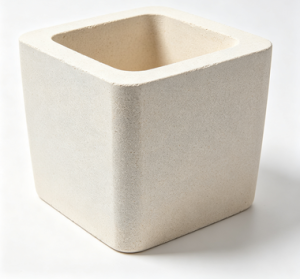
MgAl₂O₄ Spinel Saggers Magnesium Aluminum Spinel Saggers
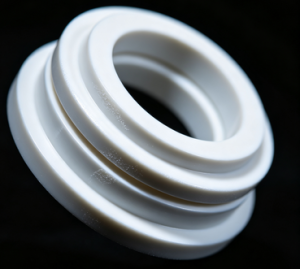
AIN Ceramic Ring Aluminum Nitride Ceramic Ring
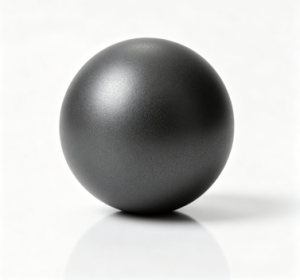
Silicon Nitride Grinding Ball Si₃N₄ Ceramic Grinding Media
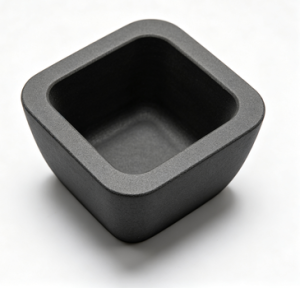
Reaction Sintered Silicon Carbide Saggers
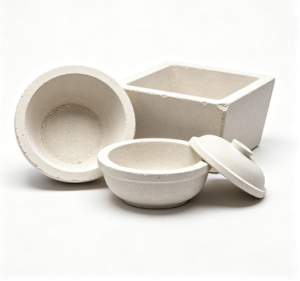
Alumina Mullite Sagger Corundum Mullite Ceramic Saggers