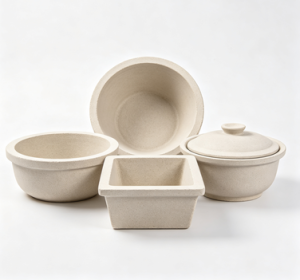
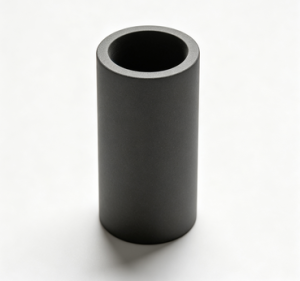
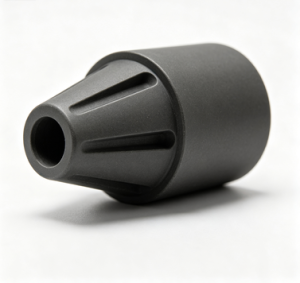
Advanced Technical Ceramics, Precision Alumina, Silicon Carbide, Crucible Parts



High Thermal Conductivity ALN Aluminum Nitride Ceramic Disc for Advanced Electronics


PRODUCT PARAMETERS
Description
Combining ultra-high thermal conductivity (140–180 W/m·K), high dielectric strength, high resistivity, and excellent thermal expansion match with silicon, our Aluminum Nitride Ceramic Disc support precision customization of non-standard dimensions, fully meeting the rigorous requirements of power electronics, RF/microwave, LED, aerospace, and high-temperature industrial sectors.
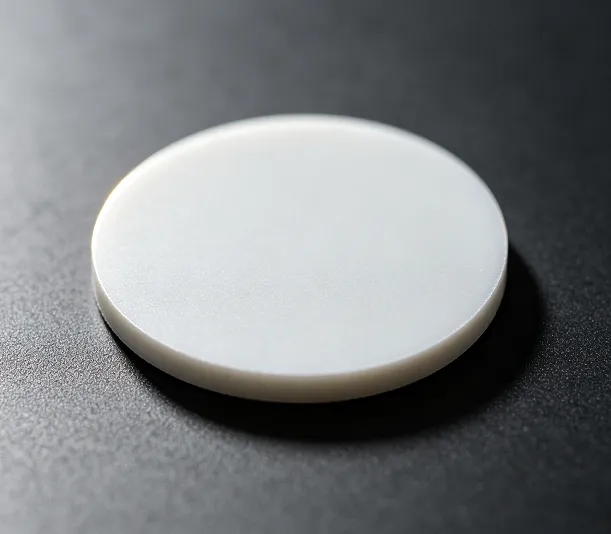
High Thermal Conductivity Ceramic Disc AIN Aluminum Nitride Ceramic Wafer Carrier
Description
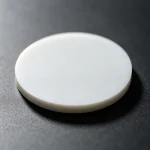
The Aluminum Nitride Ceramic Disc is a high-performance precision ceramic component manufactured from high-purity, ultra-fine aluminum nitride powder (AlN; purity up to 99.5% or higher). The production process involves spray granulation, isostatic or dry pressing, and high-temperature sintering under controlled atmospheres, followed by multiple processing steps such as double-sided grinding, precision polishing, and laser cutting.
At the microstructural level, the product features a dense crystalline structure and extremely low porosity (bulk density ≥ 3.30 g/cm³; water absorption near zero), endowing it with exceptional thermal conductivity (140–180 W/m·K), high electrical insulation, and a coefficient of thermal expansion (~4.5×10⁻⁶/°C) that closely matches that of silicon (Si). This unique combination of properties makes it the ideal substrate and heat-dissipation material for power electronics, LED lighting modules, and RF/microwave devices. Regarding material formulation, purity grades and sintering aids can be precisely tailored to meet specific, differentiated thermal and electrical performance requirements based on the application scenario.
Whether for high-power IGBT modules requiring rapid heat dissipation under continuous operation, for high-frequency RF devices demanding stable dielectric performance, or for LED lighting systems requiring reliable thermal management and long service life, Aluminum Nitride Ceramic Disc—thanks to their outstanding comprehensive properties—serve as the material of choice for engineers addressing challenges such as thermal accumulation, thermal stress mismatch, and electrical reliability in advanced electronics and industrial equipment.
Technical Specifications
| Parameter | Typical Value | Unit | Remarks |
|---|---|---|---|
| Material Composition | AlN ≥ 99% | — | High-purity aluminum nitride grade |
| Density | ≥ 3.30 | g/cm³ | Approx. 98–99% of theoretical density |
| Rockwell Hardness | HRA 70 – 80 | HRA | Equivalent to Vickers ~800 – 1000 HV |
| Max. Service Temperature | 1000 – 1200 | °C | Long-term use; oxidation occurs above 1200°C |
| Flexural Strength | 300 – 400 | MPa | 3-point bending test |
| Compressive Strength | 1800 – 2200 | MPa | — |
| Coefficient of Thermal Expansion | ~4.5 | ×10⁻⁶/K | Closely matches silicon (Si) and GaAs |
| Thermal Conductivity | 170 – 230 | W/(m·K) | 7–10× higher than alumina; at room temperature |
| Thermal Shock Resistance | ΔT > 150 | °C | Water quenching test |
| Volume Resistivity | >10¹⁴ | Ω·cm | At room temperature |
| Dielectric Strength | 15 – 20 | kV/mm | — |
| Dielectric Constant | 8.5 – 9.5 | — | At 1 MHz |
| Water Absorption | 0 | % | Fully dense, non-porous |
| Surface Roughness | Ra ≤ 0.6 – 1.0 | µm | Ground surface; mirror polish available upon request |
| Flatness | ≤ 0.01 – 0.02 | mm | Depends on diameter |
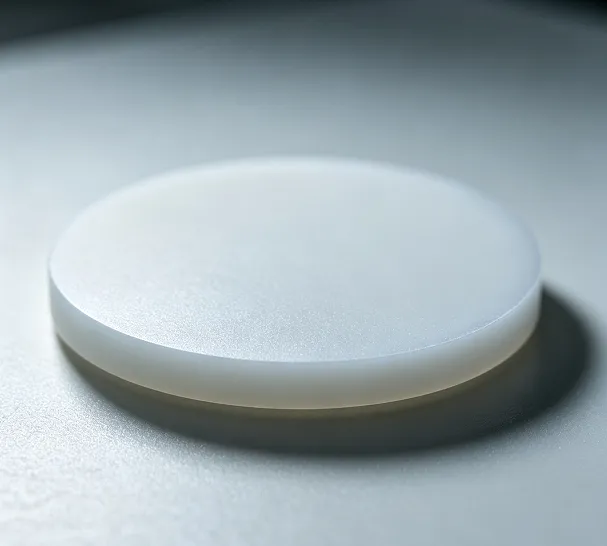
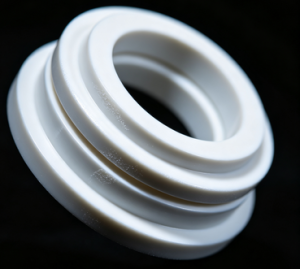
High Thermal Conductivity ALN Aluminum Nitride Ceramic Ring for Advanced Electronics
Key performance advantages
1. Ultra-High Thermal Conductivity
170–230 W/(m·K), 7–10× higher than alumina. Rapidly dissipates heat from high-power devices, extending component lifespan and enabling higher power density designs. This exceptional heat-spreading capability eliminates localized hot spots, allowing engineers to push power levels without compromising reliability. In IGBT and SiC modules, this directly translates to lower junction temperatures and reduced cooling system complexity.
2. CTE Matches Silicon
Thermal expansion ~4.5×10⁻⁶/K, closely matched to Si and GaAs chips. Eliminates thermal stress and prevents solder joint fatigue in semiconductor packaging. This coefficient match is critical for large-area die attachments and flip-chip assemblies, where CTE mismatch often leads to premature failure. By minimizing mechanical strain during power cycling, AlN substrates significantly improve the long-term reliability of power modules and LED arrays.
3. High-Reliability Electrical Insulation
Dielectric strength 15–20 kV/mm, volume resistivity >10¹⁴ Ω·cm. Stable performance under high voltage and elevated temperatures, ensuring safe isolation in power modules. Unlike organic insulators that degrade with heat and time, AlN maintains its insulating properties over decades of continuous service. This makes it the trusted choice for high-voltage traction inverters and grid-tied power systems where electrical safety is paramount.
4. Excellent Thermal Shock Resistance
Withstands ΔT > 150°C (water quenching test). Maintains structural integrity under rapid temperature cycling without cracking or warping. This resilience is essential for applications like LED flip-chip bonding and automotive power modules, where devices experience thousands of thermal cycles over their lifetime. The combination of high thermal conductivity and thermal shock resistance gives AlN a distinct durability advantage over more brittle ceramic alternatives.
5. Custom Precision Engineering
Supports non-standard dimensions: Φ5–300 mm diameter, thickness tolerance ±0.03 mm, mirror polish Ra ≤ 0.05 µm. Seamless integration with existing assemblies. Our engineering team collaborates closely with clients to optimize designs for manufacturability, delivering prototypes and production quantities that drop directly into existing production lines. Whether you need ground surfaces for mounting or polished surfaces for optical applications, we tailor each batch to your exact specifications.
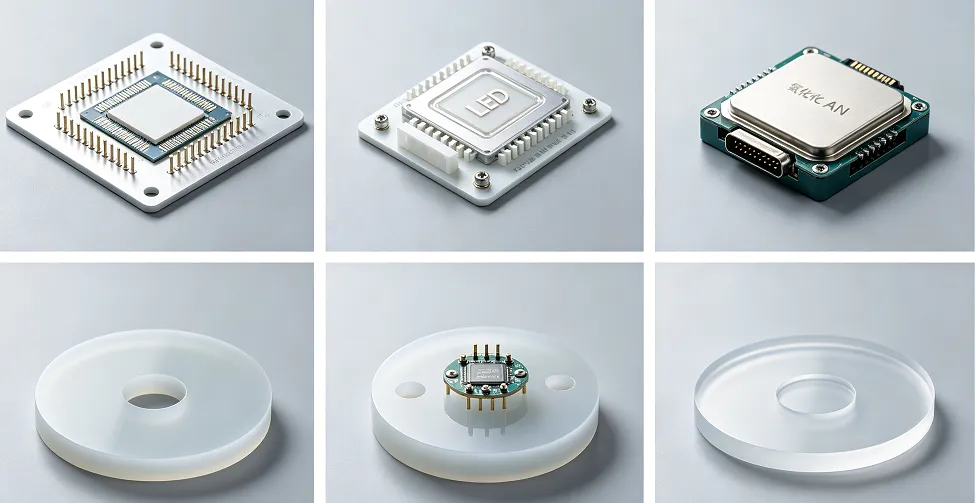
Application Scenarios
1. Power Electronics (IGBT/SiC Modules)
Aluminum Nitride Ceramic Disc serve as the ideal substrate and heat-dissipation platform for high-power IGBT and SiC power modules in industrial motor drives, traction inverters, and renewable energy systems. Their ultra-high thermal conductivity (170–230 W/m·K) rapidly extracts heat from power chips, enabling higher current density and switching frequencies while maintaining safe junction temperatures. The CTE match to silicon (~4.5×10⁻⁶/K) also ensures reliable solder joints and wire bonds over millions of power cycles, making AlN the material of choice for next-generation wide-bandgap power electronics.
2. High-Brightness LED Substrates
In high-power LED packaging, Aluminum Nitride Ceramic Disc function as both mounting bases and heat spreaders for LED chips. The high thermal conductivity efficiently draws heat away from the active junction, lowering operating temperatures and improving luminous efficacy. The close CTE match to LED die materials reduces internal mechanical stress, which is essential for preserving optical output over extended lifetimes. These properties are critical in automotive lighting, outdoor illumination, and projector light source applications, where consistent brightness and long service life are non-negotiable.
3. RF/Microwave Devices
Aluminum Nitride Ceramic Disc serve as dielectric substrates and heat spreaders for high-frequency RF components including power amplifiers, radar modules, and 5G base station transceivers. Their stable dielectric constant (8.5–9.5 at 1 MHz) minimizes signal loss and ensures consistent impedance control across wide operating temperature ranges. Combined with high resistivity and thermal conductivity, AlN enables compact, high-performance RF designs that withstand both high electrical stress and significant heat generation without signal degradation.
4. Electric Vehicle (EV) Traction Inverters
EV traction inverters demand extreme thermal management, electrical isolation, and long-term reliability in compact form factors, all of which Aluminum Nitride Ceramic Disc deliver. They serve as insulated substrates for power switching devices, efficiently transferring heat to liquid cooling systems while maintaining high-voltage isolation (15–20 kV/mm). The inherent durability against thermal cycling (ΔT > 150°C) and excellent dimensional stability ensure that inverters maintain peak efficiency across the full range of driving conditions.
5. Industrial Laser Systems
High-power industrial lasers and laser diode stacks generate intense localized heat that must be managed to preserve output power and beam quality. Aluminum Nitride Ceramic Disc are used as heat sinks, mounting plates, and electrical isolation layers within laser packages, providing a thermal path far superior to conventional alumina or metal-based solutions. The material’s combination of high thermal conductivity, electrical insulation, and thermal shock resistance ensures stable, drift-free laser performance in welding, cutting, and marking equipment.
6. Aerospace & High-Reliability Electronics
In avionics, satellite payloads, and space-grade electronics, Aluminum Nitride Ceramic Discs serve as lightweight yet high-performance thermal management components with exceptional reliability requirements. Their stable material properties under vacuum, radiation, and extreme temperature swings make them preferred substrates for high-reliability power conditioners, onboard processors, and sensor systems. The non-magnetic, non-porous, and fully dense structure also meets the demanding outgassing and purity standards required for space applications.

Supplier
Luoyang JianXun Tech Co., Ltd. is a professional new material supplier dedicated to the research, development, production, and global distribution of aluminum nitride (AlN) ceramic materials, powder metallurgy products, and nano-scale functional materials. Headquartered in Luoyang, Henan Province — a renowned industrial hub in central China — the company benefits from a complete supply chain ecosystem and convenient logistics networks, enabling efficient delivery to customers worldwide. Our AlN ceramic discs feature ultra-high thermal conductivity (170–230 W/(m·K)), CTE matching silicon (~4.5×10⁻⁶/K), and high electrical insulation (15–20 kV/mm), making them the ideal choice for power electronics, LED substrates, RF/microwave devices, and EV applications. Send us an email or click on the needed products to send an inquiry.
Payment Term:
T/T, Paypal, Credit Card, Western Union etc.
Shipment Term:
By air, by sea, by express, as customers request.
Storage Conditions
Store in a dry, well-ventilated place at 5–40°C, humidity < 65%. Keep in original sealed packaging until use to prevent surface contamination and moisture absorption. Avoid stacking heavy objects on top. Handle with care to prevent chipping or cracking. Keep away from corrosive gases, acids, alkalis, and chemical solvents. No expiration limit under proper storage. For temperature changes > 100°C, warm at ≤ 3°C/min to avoid thermal shock.
FAQs of Alumina Ceramic Disc
1. What is the thermal conductivity of the AlN ceramic disc?
170–230 W/(m·K) at room temperature, which is 7–10 times higher than alumina (Al₂O₃). This makes it the ideal choice for high-power electronic devices requiring rapid heat dissipation, such as IGBT modules, LED substrates, and RF power amplifiers.
2. Does the AlN ceramic disc match the thermal expansion of silicon?
Yes. Its coefficient of thermal expansion (CTE) is approximately 4.5×10⁻⁶/K, which closely matches silicon (Si) and gallium arsenide (GaAs) chips. This minimizes thermal stress and prevents solder joint failure, ensuring reliable long-term performance in semiconductor packaging applications.
3. Is AlN suitable for high-voltage electrical insulation?
Absolutely. AlN offers high electrical insulation with dielectric strength of 15–20 kV/mm and volume resistivity >10¹⁴ Ω·cm. These properties remain stable at elevated temperatures, making AlN a reliable insulation material for power modules, traction inverters, and high-voltage systems.
4. Does AlN react with moisture or chemicals?
AlN is moisture-sensitive and can undergo surface hydrolysis when exposed to high humidity over extended periods. To prevent surface degradation, we recommend keeping the product in sealed packaging until use and storing it in a dry environment (< 65% humidity) at 5–40°C. AlN also has limited resistance to strong acids and alkalis, so exposure to corrosive chemicals should be avoided.
5. What custom sizes and tolerances can you offer?
We support custom diameters from Φ5 mm to Φ300 mm, with thickness tolerances as tight as ±0.03 mm. Surface finishes range from ground surfaces (Ra ≤ 0.6–1.0 µm) to mirror polish (Ra ≤ 0.05 µm), and special features such as holes, chamfers, and stepped surfaces are available upon request. Our engineering team works closely with you to ensure seamless integration with your existing assemblies.